Insights > CAD Models
How Manufacturers Use CAD Models for Sales and Marketing
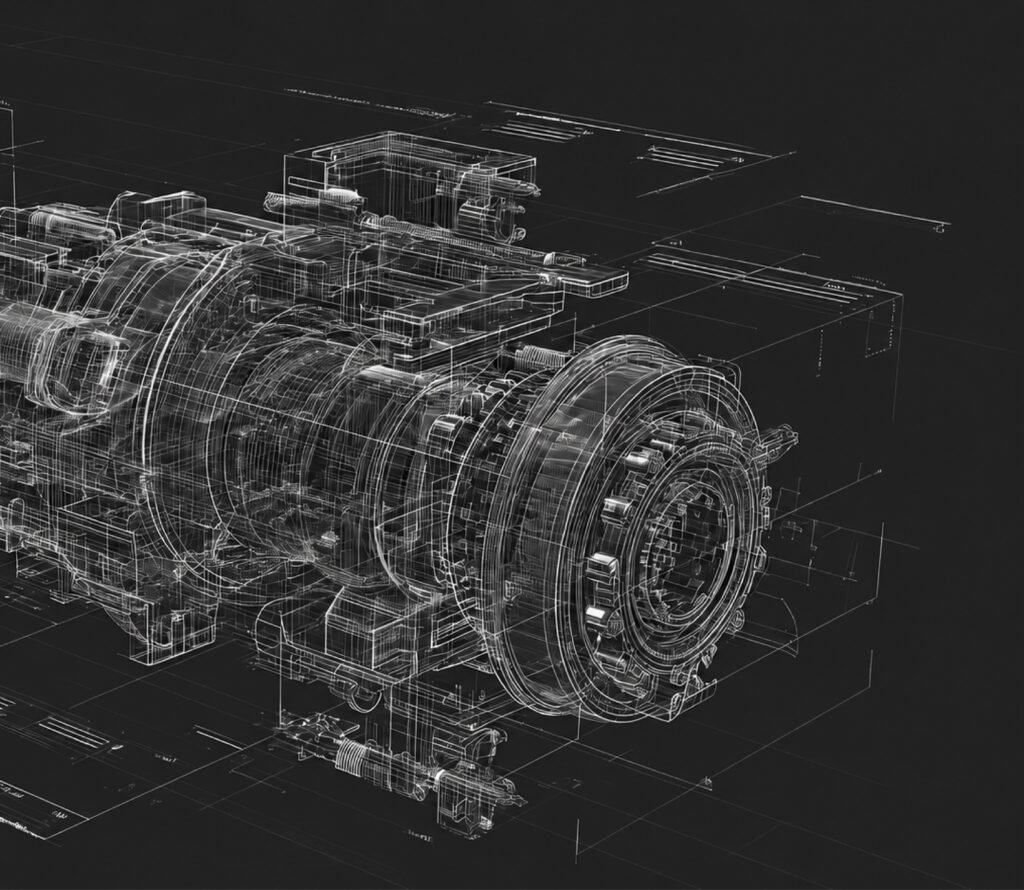
Engineering CAD models are typically created to manufacture products, not market them. They contain the dimensions, geometry, assemblies, and technical information required to build industrial equipment accurately. Once engineering is complete, many companies move on to photography, brochures, and videos without realizing they already possess one of their most valuable marketing resources.
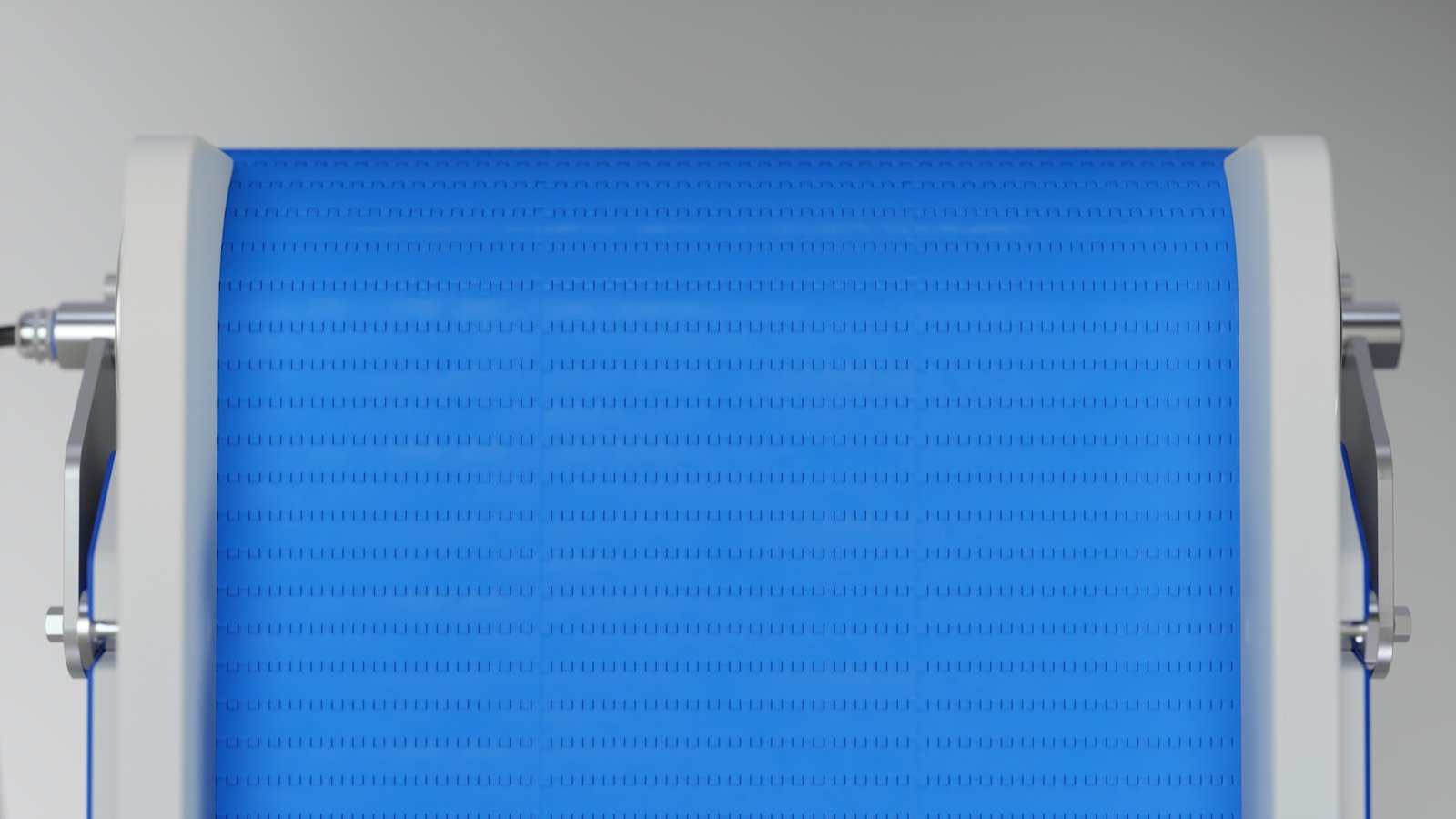
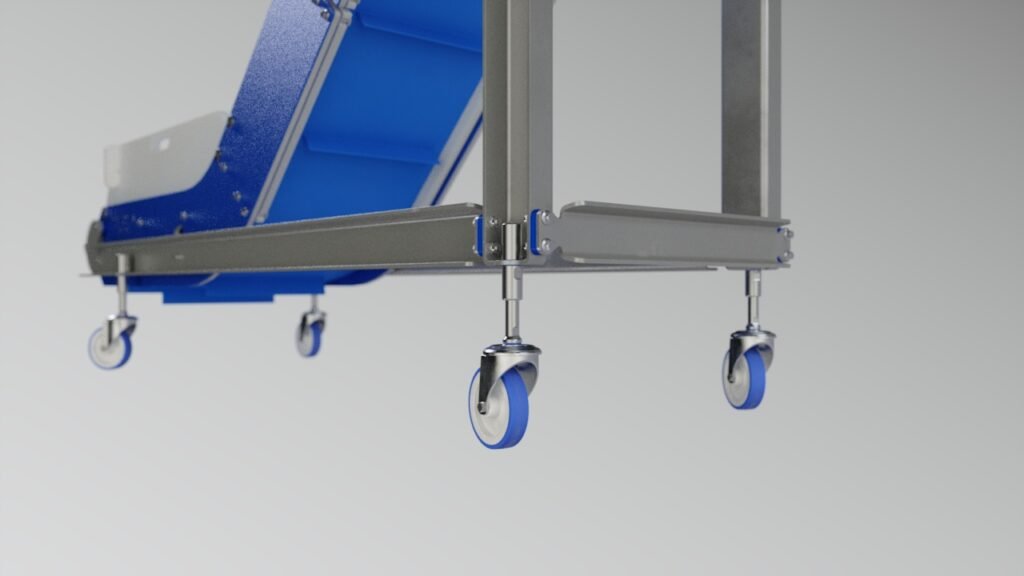
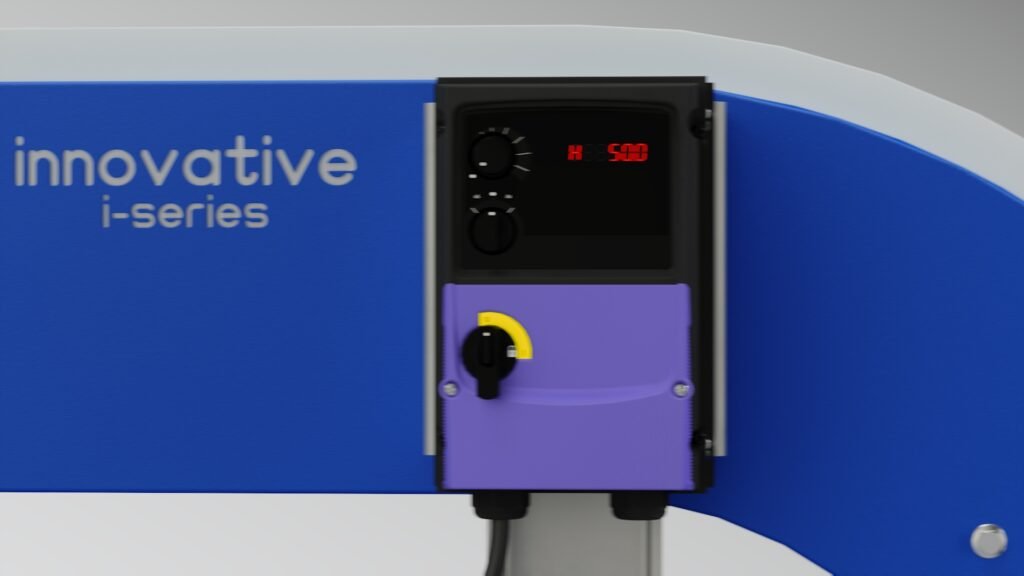
Modern CAD models can be transformed into photorealistic renderings, product animations, technical illustrations, interactive sales presentations, and a wide range of other marketing assets. Instead of waiting until a machine is assembled, manufacturers can begin producing professional marketing content directly from the engineering data that already exists. This article explores how industrial equipment manufacturers are using CAD models to support product launches, improve sales presentations, reduce marketing delays, and create consistent visual content throughout the entire product lifecycle.
Your CAD Models Already Contain More Than Engineering Data
Most engineering teams view CAD models as manufacturing documentation. Marketing teams often see them as technical files that are difficult to use outside engineering software. In reality, modern CAD assemblies already contain much of the information needed to create professional marketing content. Every assembly defines the overall machine layout, individual components, product paths, moving mechanisms, and configurable options.
Rather than recreating those details manually, visualization software can build directly from the engineering model, ensuring the final marketing assets accurately represent the intended equipment. This also creates a valuable connection between engineering and marketing. Instead of waiting for a finished machine, marketing teams can begin developing brochures, website imagery, and product launch material while manufacturing continues.
Information Already Contained Within Most CAD Models
Machine dimensions
Component locations
Mechanical movement
Assembly structure
Overall machine layout
Product flow
Creating Marketing Assets Before Manufacturing Begins
One of the biggest challenges facing industrial manufacturers is timing. Marketing departments often need product images months before equipment is ready for photography. Trade shows, customer meetings, distributor presentations, and website launches rarely wait until manufacturing is complete.
CAD models allow those projects to begin much earlier. Professional renderings and animations can be created as soon as the engineering design reaches a stable stage. Marketing teams no longer need to delay product launches while waiting for assembly, commissioning, or customer installations. The result is a smoother product launch process where engineering, manufacturing, sales, and marketing move forward together instead of waiting for one another to finish.
More Than Just 3D Renderings
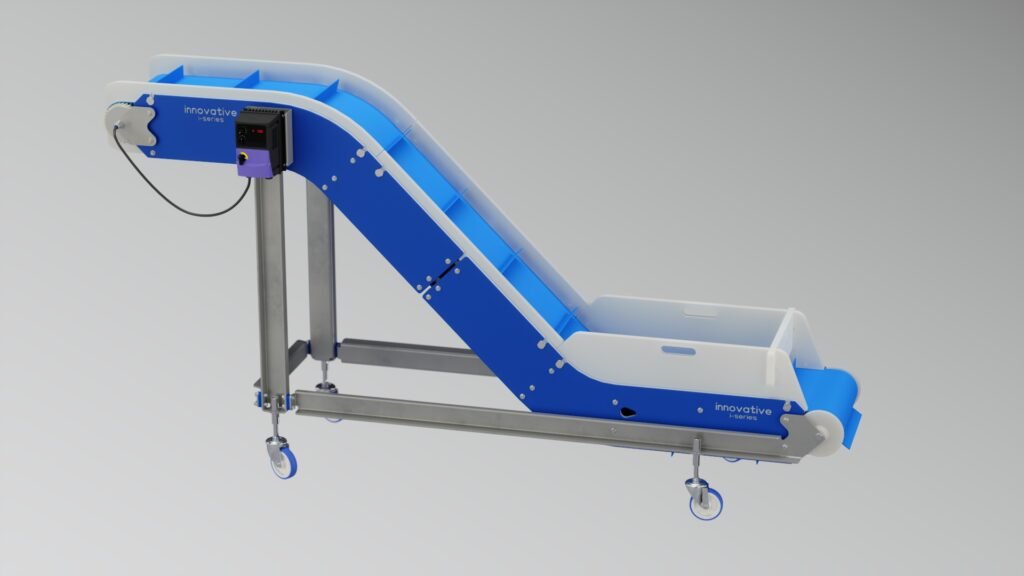
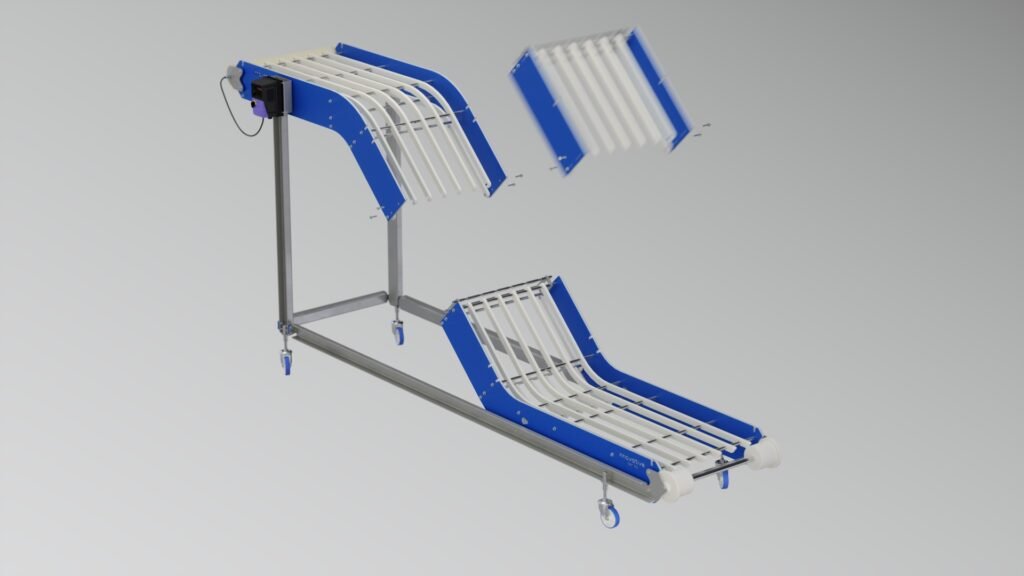
Many manufacturers associate CAD visualization exclusively with photorealistic renderings. While rendered images are often the most visible outcome, the same engineering model can support a much wider range of marketing content. A single CAD assembly can be used to produce animated demonstrations, exploded views, technical illustrations, website graphics, brochure imagery, trade show displays, presentation visuals, and social media content. Once the visualization workflow has been established, each new asset builds from the same engineering data, helping maintain visual consistency across every marketing channel. This approach also reduces duplicate work. Instead of recreating graphics for every project, manufacturers develop a growing library of marketing assets that can continue evolving alongside future product updates.

Improving Sales Conversations
Industrial equipment is rarely purchased after looking at a single brochure. Customers ask detailed questions about machine operation, optional configurations, production flow, and integration with existing systems. Engineering drawings provide accurate information, but they are not always the easiest communication tool for non-technical audiences.
Visual content created from CAD models allows sales teams to explain equipment much more effectively. Rather than asking customers to interpret technical drawings, they can present realistic renderings, animations, and product visuals that clearly demonstrate how the equipment operates and how different configurations compare. This creates more productive conversations while helping customers understand complex machinery with greater confidence.
Supporting Configurable Equipment
Many industrial manufacturers build machines that are highly configurable. Conveyor lengths change, guarding layouts vary, optional stations are added, and customer-specific requirements become part of almost every project. Traditional photography struggles to communicate this level of flexibility. Every variation would require another photo shoot, assuming the equipment has even been manufactured.
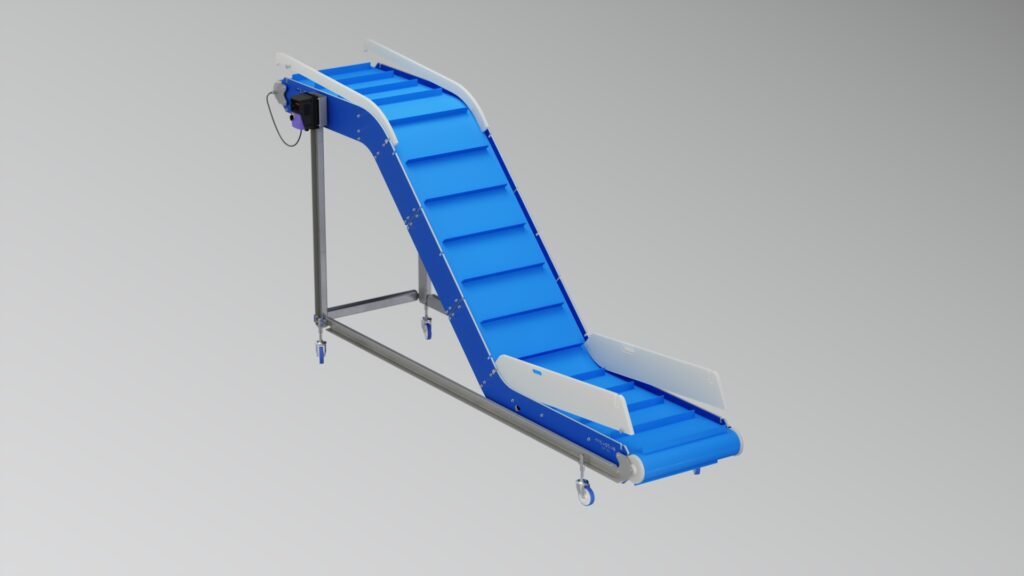
CAD-based visualization makes those changes much easier to communicate. Existing engineering models can be updated to reflect different configurations, allowing manufacturers to produce new renderings and animations without rebuilding every marketing asset from the beginning. For companies selling configurable equipment, this flexibility becomes one of the biggest advantages of using CAD models as the foundation for marketing.
Keeping Marketing Consistent Across Every Platform
Customers often encounter a manufacturer through several different channels before speaking with a salesperson. They may visit the company website, watch a product video, download a brochure, browse LinkedIn, and eventually receive a sales presentation. When every visual asset originates from the same CAD model, branding remains consistent across each of those touchpoints. Renderings match animations. Product images align with brochures. Sales presentations use the same machine configurations shown on the website. This consistency strengthens a company’s professional image while reducing confusion for prospective customers. Instead of treating every marketing project as a separate effort, manufacturers create a centralized visual library that continues growing alongside their product portfolio.
Engineering and Marketing Work Better Together
Engineering and marketing have traditionally worked as separate departments with different priorities. Engineering focuses on building accurate machines while marketing concentrates on communicating their value. CAD visualization brings those disciplines closer together. Once engineering models become part of the marketing workflow, visual content can begin much earlier in the product development process. Engineers no longer need to recreate information for marketing, and marketing teams gain access to accurate product data long before manufacturing is complete. The result is better communication, fewer delays, and marketing assets that accurately represent the finished equipment.
Final Thoughts
Engineering CAD models represent far more than manufacturing documentation. They contain the foundation for many of the visual assets manufacturers need to support sales, marketing, and product launches. By transforming existing engineering data into renderings, animations, illustrations, and presentation material, manufacturers can begin communicating new equipment much earlier in the product development process. Marketing no longer needs to wait until the first production machine is assembled, photographed, or installed. As competition continues to increase across industrial manufacturing, companies that make better use of their engineering data are often able to launch products faster, communicate more clearly, and build stronger marketing libraries that continue delivering value long after the design work is complete.