3D Rendering Services for Industrial Machinery Manufacturers
Transform engineering CAD models into photorealistic images that showcase your equipment before it is manufactured.
From websites and brochures to product launches and sales presentations, our renderings help manufacturers communicate complex machinery with clarity while reducing the need for expensive product photography.
3D Rendering Services for Industrial Machinery Manufacturers
Transform engineering CAD models into photorealistic images that showcase your equipment before it is manufactured.
From websites and brochures to product launches and sales presentations, our renderings help manufacturers communicate complex machinery with clarity while reducing the need for expensive product photography.
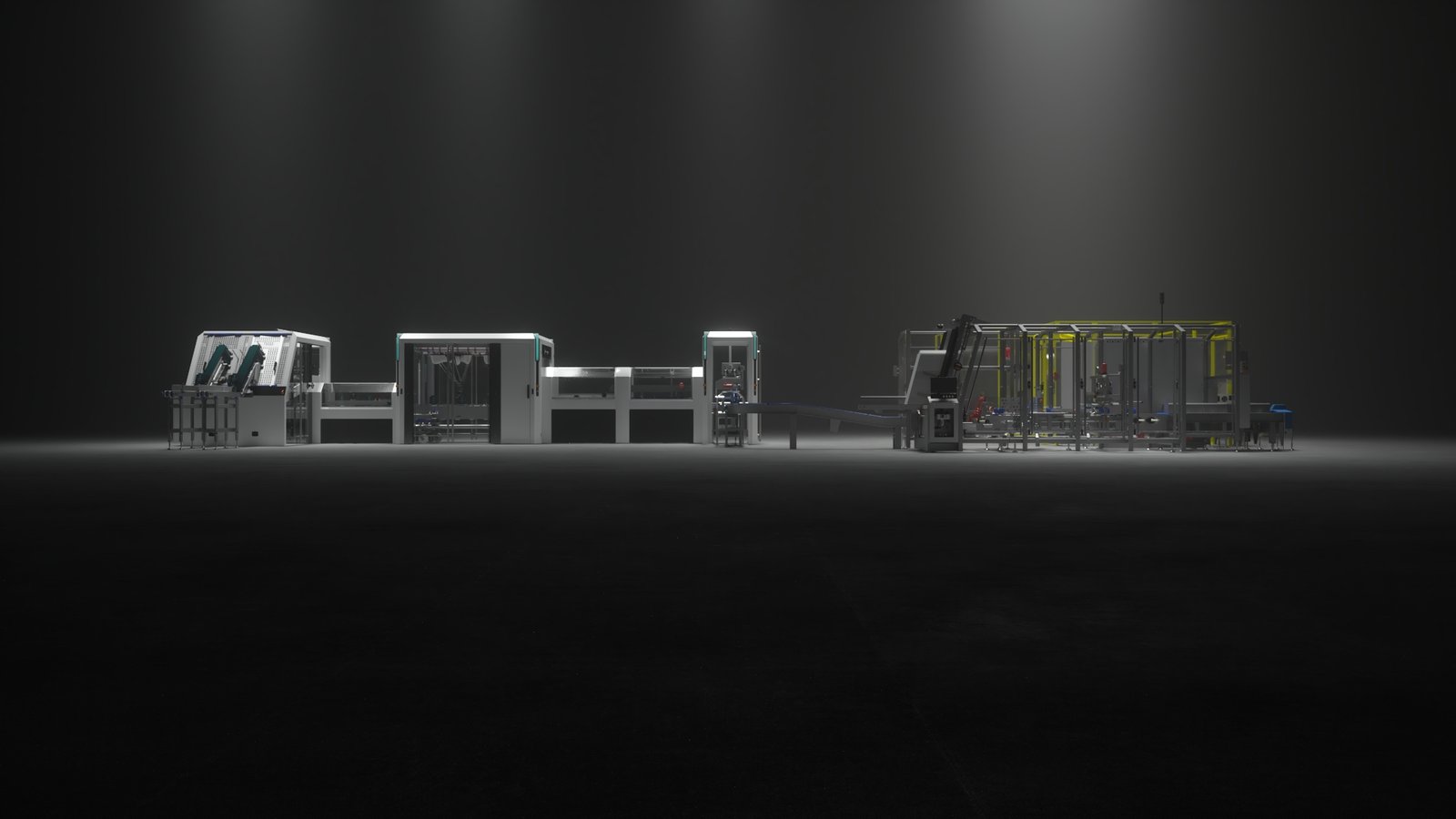
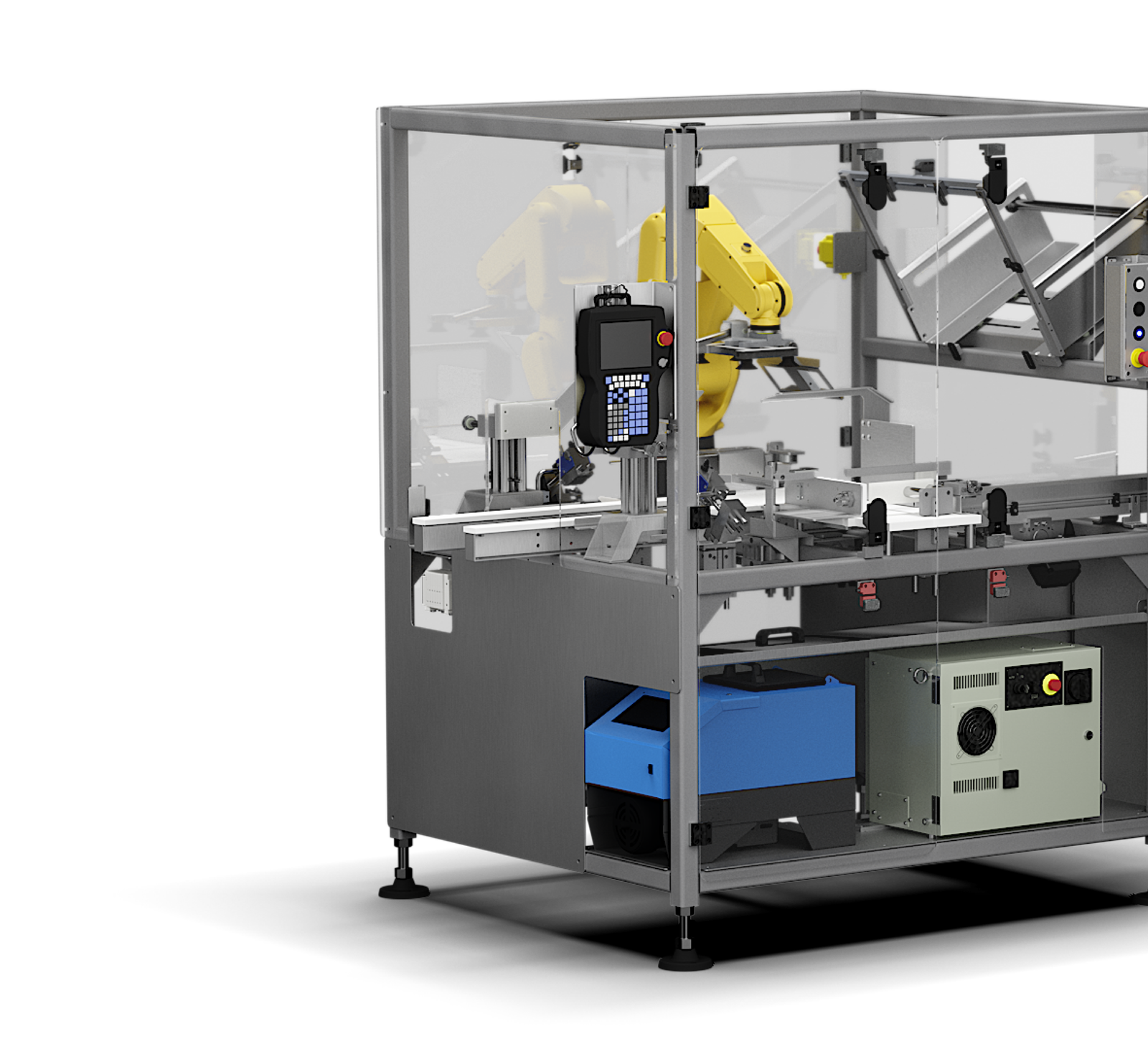
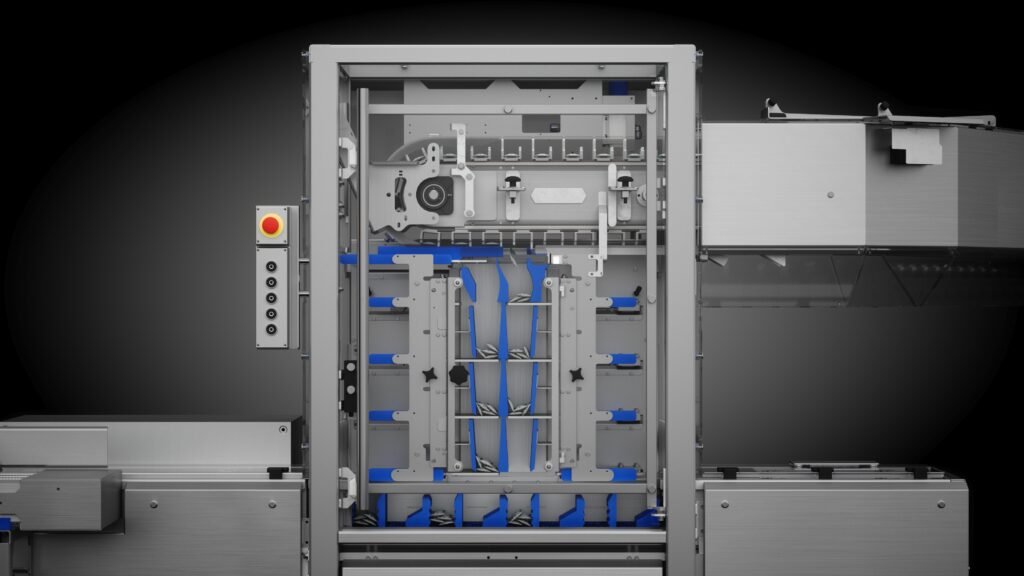
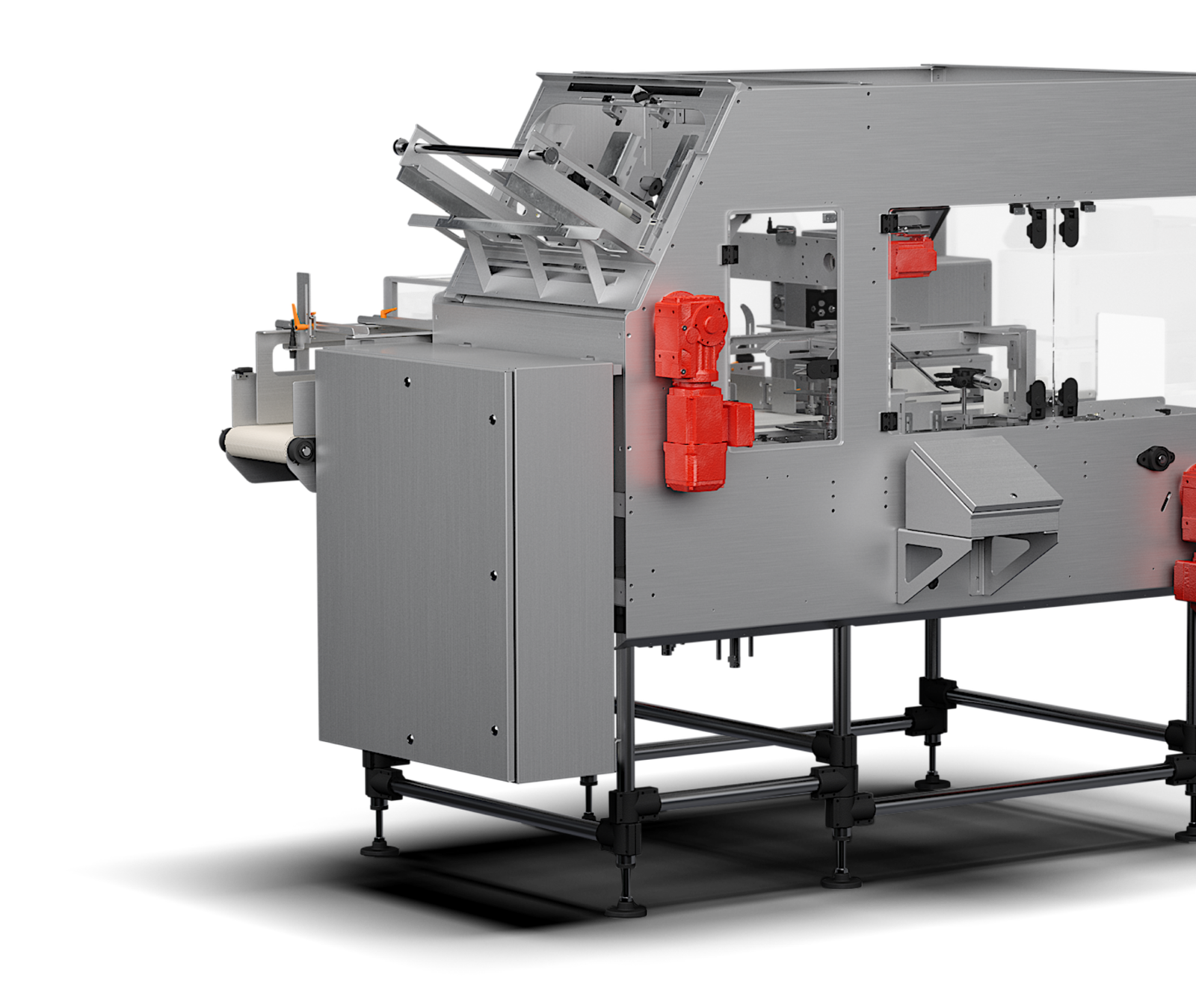
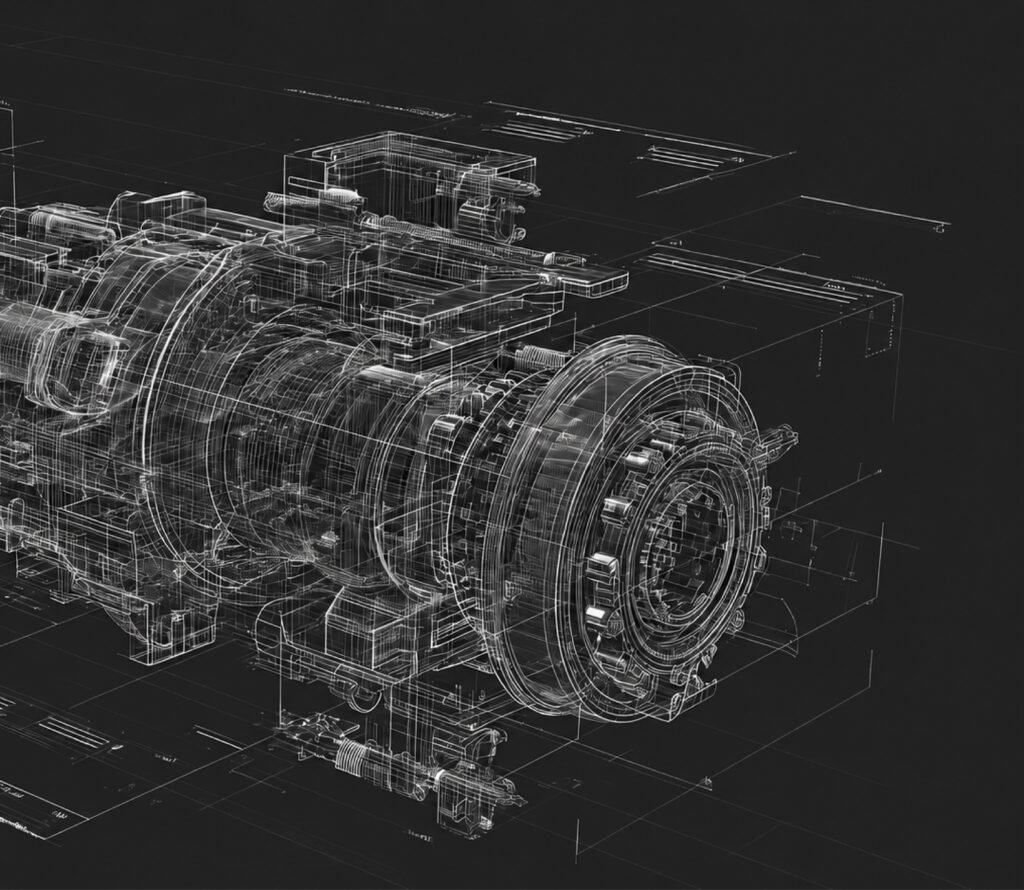
Industrial 3D rendering is the process of transforming engineering CAD models into photorealistic images that accurately represent industrial equipment before it exists physically. Unlike conceptual illustrations, engineering-based renderings are created directly from production CAD data, allowing manufacturers to showcase machines with realistic proportions, materials, finishes, and configurations.
For industrial manufacturers, this creates opportunities that traditional photography cannot. Marketing no longer needs to wait until equipment has been manufactured, assembled, commissioned, and transported to a studio. Professional renderings can begin as soon as engineering reaches a suitable design milestone.
This allows sales and marketing teams to work alongside engineering rather than after it. Product launches, brochures, website content, trade show graphics, investor presentations, and customer proposals can all be developed months earlier while maintaining technical accuracy.
As products evolve, renderings can also evolve alongside them. Optional configurations, customer branding, machine layouts, and product variations can all be updated without scheduling another photo shoot.
What Is Industrial 3D Rendering?
Industrial 3D rendering is the process of transforming engineering CAD models into photorealistic images that accurately represent industrial equipment before it exists physically. Unlike conceptual illustrations, engineering-based renderings are created directly from production CAD data, allowing manufacturers to showcase machines with realistic proportions, materials, finishes, and configurations.
For industrial manufacturers, this creates opportunities that traditional photography cannot. Marketing no longer needs to wait until equipment has been manufactured, assembled, commissioned, and transported to a studio. Professional renderings can begin as soon as engineering reaches a suitable design milestone.
This allows sales and marketing teams to work alongside engineering rather than after it. Product launches, brochures, website content, trade show graphics, investor presentations, and customer proposals can all be developed months earlier while maintaining technical accuracy.
As products evolve, renderings can also evolve alongside them. Optional configurations, customer branding, machine layouts, and product variations can all be updated without scheduling another photo shoot.
Why Manufacturers Choose 3D Rendering
Launch Products Earlier
Generate professional marketing assets before manufacturing begins, allowing product launches to happen months sooner.
Replace Product Photography
Produce photorealistic imagery without transporting equipment, hiring photographers, or waiting for production to finish.
Showcase Configurable Equipment
Display multiple machine configurations without building every variation.
Improve Sales Presentations
Help customers visualize equipment long before installation with accurate, realistic imagery.
Maintain Brand Consistency
Create a consistent visual style across websites, brochures, catalogs, and presentations.
Reuse Existing CAD Data
Turn engineering models into marketing assets instead of recreating products from scratch.
Why Manufacturers Choose 3D Rendering
Launch Products Earlier
Generate professional marketing assets before manufacturing begins, allowing product launches to happen months sooner.
Replace Product Photography
Produce photorealistic imagery without transporting equipment, hiring photographers, or waiting for production to finish.
Showcase Configurable Equipment
Display multiple machine configurations without building every variation.
Improve Sales Presentations
Help customers visualize equipment long before installation with accurate, realistic imagery.
Maintain Brand Consistency
Create a consistent visual style across websites, brochures, catalogs, and presentations.
Reuse Existing CAD Data
Turn engineering models into marketing assets instead of recreating products from scratch.
Launch Products Before Manufacturing Is Complete
Launching new industrial equipment has traditionally depended on manufacturing schedules. Engineering finishes the design, production builds the first machine, photography is organized, and only then can marketing begin creating promotional material.
That sequence often delays product launches by weeks or months.
Engineering CAD models already contain the information needed to create highly realistic product imagery. Rather than waiting for a completed machine, manufacturers can begin developing websites, brochures, social media campaigns, and launch material while production is still underway.
This approach shortens time to market, allows marketing teams to work in parallel with engineering, and helps generate customer interest before the first machine reaches the shop floor.
Replace Traditional Product Photography
Industrial equipment is rarely easy to photograph. Machines are often installed at customer facilities, occupy large production areas, or continue evolving after the first build. Transporting equipment to a photography studio is usually impractical, while photographing machinery inside a factory often creates distracting backgrounds, inconsistent lighting, and limited camera angles.
Professional renderings eliminate those limitations.
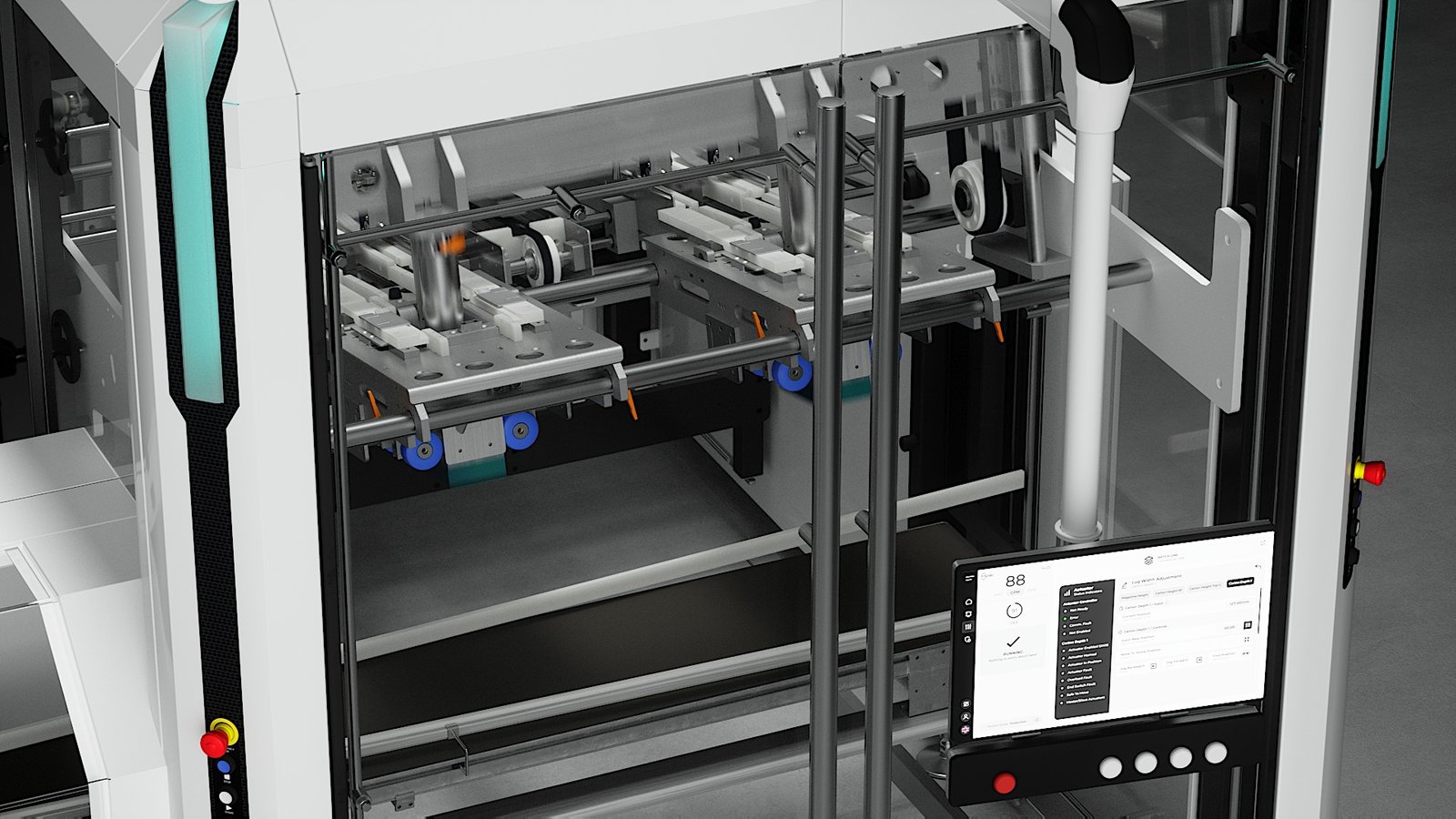
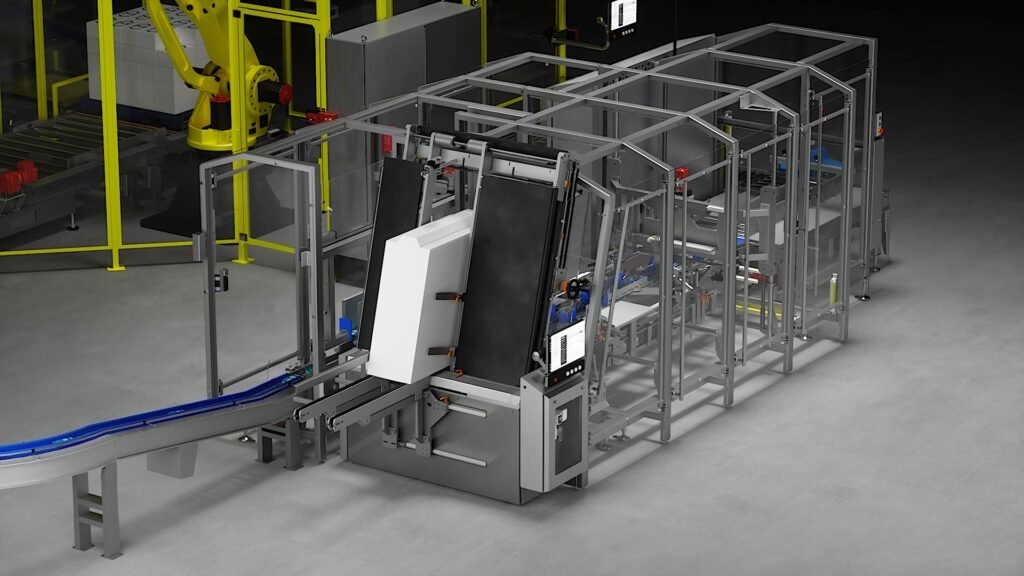
Machines can be presented in clean studio environments, isolated on transparent backgrounds, or placed inside realistic production facilities depending on the intended application. Camera angles, lighting, colors, and finishes remain completely under control, ensuring every image matches your brand standards.
For many manufacturers, renderings complement photography rather than replace it. Existing machines can still be photographed while new products and future configurations are visualized long before they physically exist.
Replace Traditional Product Photography
Industrial equipment is rarely easy to photograph. Machines are often installed at customer facilities, occupy large production areas, or continue evolving after the first build. Transporting equipment to a photography studio is usually impractical, while photographing machinery inside a factory often creates distracting backgrounds, inconsistent lighting, and limited camera angles.
Professional renderings eliminate those limitations.
Machines can be presented in clean studio environments, isolated on transparent backgrounds, or placed inside realistic production facilities depending on the intended application. Camera angles, lighting, colors, and finishes remain completely under control, ensuring every image matches your brand standards.
For many manufacturers, renderings complement photography rather than replace it. Existing machines can still be photographed while new products and future configurations are visualized long before they physically exist.
Present Configurable Machinery with Confidence
Few industrial manufacturers build exactly the same machine twice.
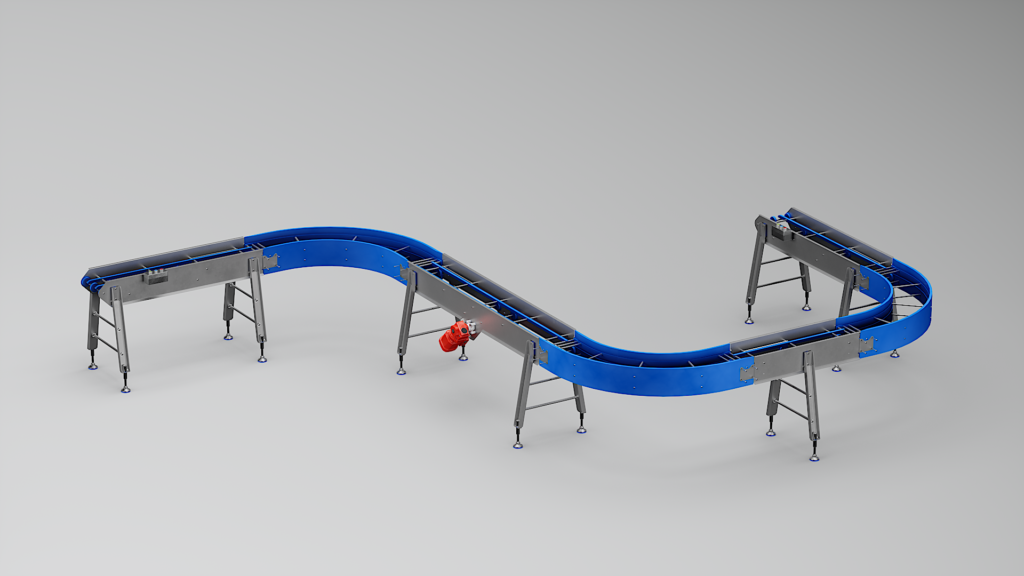
Conveyors change length, optional stations are added, guarding is modified, and customer-specific features are incorporated throughout the design process. Capturing every possible variation with photography quickly becomes expensive and difficult to manage.
Rendering allows multiple equipment configurations to be generated from the same engineering model. Individual components can be updated, replaced, or removed while maintaining consistency across every marketing asset.
Customers gain a clearer understanding of available options, while marketing teams avoid maintaining hundreds of separate photographs for similar products.
Support Every Stage of the Sales Process
High-quality renderings provide value long before a purchase order is signed. Sales teams regularly use visualizations during early conversations to explain equipment layouts, demonstrate optional configurations, and help customers understand proposed solutions. Instead of relying on engineering screenshots or technical drawings, representatives can present polished visuals that communicate the final product much more effectively. As projects progress, the same renderings can continue supporting customer approvals, installation planning, investor presentations, and internal stakeholder reviews. The result is a more consistent sales process where technical information becomes easier to understand at every stage.
Support Every Stage of the Sales Process
High-quality renderings provide value long before a purchase order is signed. Sales teams regularly use visualizations during early conversations to explain equipment layouts, demonstrate optional configurations, and help customers understand proposed solutions. Instead of relying on engineering screenshots or technical drawings, representatives can present polished visuals that communicate the final product much more effectively. As projects progress, the same renderings can continue supporting customer approvals, installation planning, investor presentations, and internal stakeholder reviews. The result is a more consistent sales process where technical information becomes easier to understand at every stage.
Reuse Rendering Assets Across Your Business
Professional renderings are valuable because they can be reused throughout the entire organization.
The same visuals created for a product launch often become website hero images, brochure graphics, trade show displays, proposal illustrations, social media content, technical documentation, and presentation material.
Rather than commissioning separate graphics for every application, manufacturers build a growing library of professional marketing assets that continue delivering value long after the original project is complete.
This approach also creates greater consistency across every customer touchpoint, helping reinforce a professional brand image wherever your products appear.
Industries We Support
Our experience is focused on industrial machinery and manufacturing equipment where engineering accuracy is just as important as visual quality. We regularly create renderings for companies working in:
Packaging machinery
Conveyor systems
Industrial automation
Robotics
Food processing equipment
Material handling systems
Building Infrastructure
Pharmaceutical equipment
Custom OEM machinery
Manufacturing systems
Every project begins with existing engineering CAD models, allowing us to create visuals that accurately represent the final equipment while remaining flexible enough to accommodate ongoing design changes.
Industries We Support
Our experience is focused on industrial machinery and manufacturing equipment where engineering accuracy is just as important as visual quality. We regularly create renderings for companies working in:
Packaging machinery
Conveyor systems
Industrial automation
Robotics
Food processing equipment
Material handling systems
Building Infrastructure
Pharmaceutical equipment
Custom OEM machinery
Manufacturing systems
Every project begins with existing engineering CAD models, allowing us to create visuals that accurately represent the final equipment while remaining flexible enough to accommodate ongoing design changes.
Frequently Asked Questions
Yes. We regularly work with Autodesk Inventor, SolidWorks, STEP files, Onshape, Creo, Solid Edge, Siemens NX, and other common engineering formats.
Usually not. Most engineering assemblies can be used directly with only minor preparation if required.
Yes. In fact, many projects begin long before production starts, allowing marketing assets to be ready well before the first machine is assembled.
Absolutely. We are happy to work under non-disclosure agreements and understand the importance of protecting proprietary engineering information.
Yes. Optional components, customer-specific layouts, product variations, and configurable equipment can all be represented using the same engineering model.
Yes. As engineering evolves, renderings can be revised to reflect design updates, new configurations, or additional product options.
We provide high-resolution images suitable for websites, brochures, trade show displays, presentations, social media, and large-format print.
Project timelines vary depending on complexity and the number of deliverables. During the planning stage we provide a realistic schedule based on your project requirements.
Still Have Questions?
Contact us to discuss your equipment, project requirements, or visualization goals. Most inquiries receive a response within one business day.
Yes. We regularly work with Autodesk Inventor, SolidWorks, STEP files, Onshape, Creo, Solid Edge, Siemens NX, and other common engineering formats.
Usually not. Most engineering assemblies can be used directly with only minor preparation if required.
Yes. In fact, many projects begin long before production starts, allowing marketing assets to be ready well before the first machine is assembled.
Absolutely. We are happy to work under non-disclosure agreements and understand the importance of protecting proprietary engineering information.
Yes. Optional components, customer-specific layouts, product variations, and configurable equipment can all be represented using the same engineering model.
Yes. As engineering evolves, renderings can be revised to reflect design updates, new configurations, or additional product options.
We provide high-resolution images suitable for websites, brochures, trade show displays, presentations, social media, and large-format print.
Project timelines vary depending on complexity and the number of deliverables. During the planning stage we provide a realistic schedule based on your project requirements.
Still Have Questions?
Contact us to discuss your equipment, project requirements, or visualization goals. Most inquiries receive a response within one business day.
Whether you’re launching a new machine, entering a new market, or need help communicating a complex process, we’d be happy to discuss your project and explore the best approach.
Fast Response
Industry Expertise
Tailored Solutions
Most inquiries receive a response within one business day.
LET’S WORK TOGETHER
Have a Project In Mind?
Whether you’re launching a new machine, entering a new market, or need help communicating a complex process, we’d be happy to discuss your project and explore the best approach.
Fast Response
Industry Expertise
Tailored solutions
Most inquiries receive a response within one business day.