Insights > Trade Shows
How 3D Animation Improves Trade Show Marketing
Industrial trade shows are one of the biggest marketing investments many manufacturers make each year. Companies spend months preparing booth designs, transporting equipment, producing brochures, and training sales teams in the hope of generating meaningful conversations with potential customers. The challenge is that industrial equipment is rarely easy to explain in a busy exhibition hall. Complex machinery often requires customers to understand internal processes, product flow, optional configurations, and automation sequences that cannot be demonstrated with a static display alone.
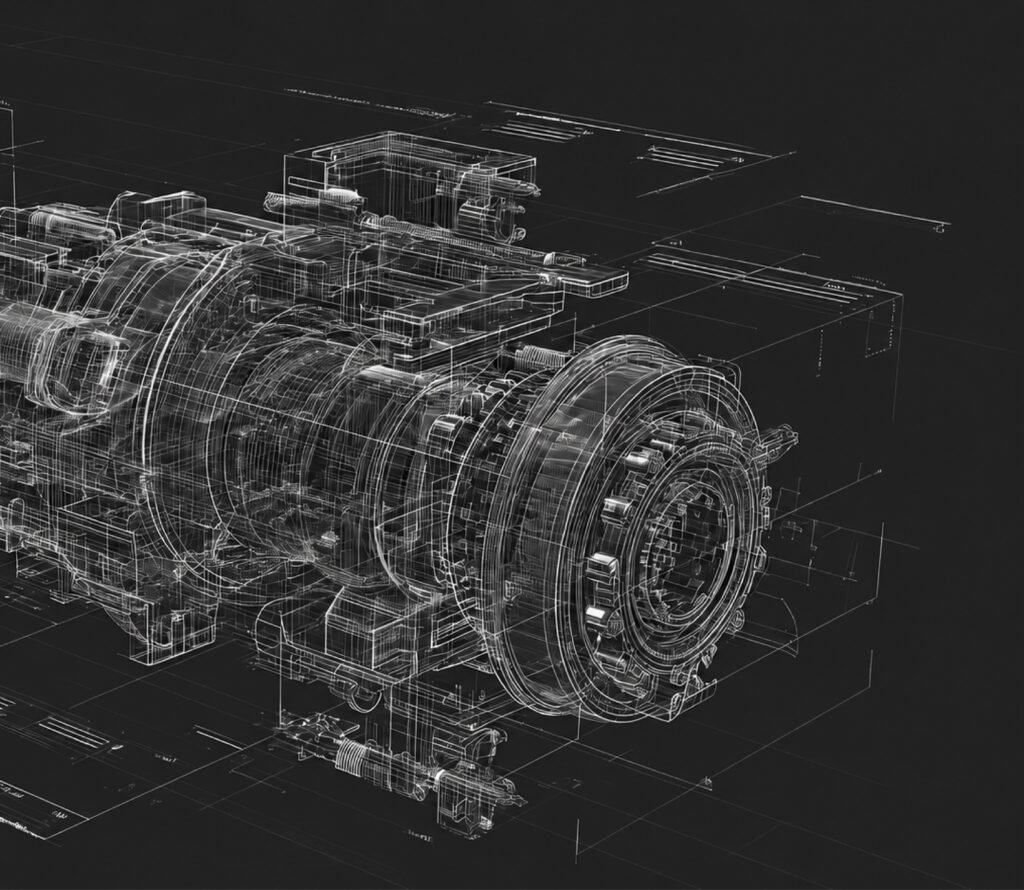
This is where 3D animation provides a significant advantage. By transforming engineering CAD models into realistic animations, manufacturers can demonstrate how equipment operates, attract more visitors to their booth, and give sales teams a more effective way to explain complex machinery. This article explores why 3D animation has become one of the most valuable marketing tools for industrial trade shows and how manufacturers are using it to generate stronger customer engagement.
Show Equipment in Motion Instead of Standing Still
A machine sitting idle rarely tells its full story. Visitors may understand its overall size, but they cannot easily visualize product flow, machine timing, or the interaction between different stations.
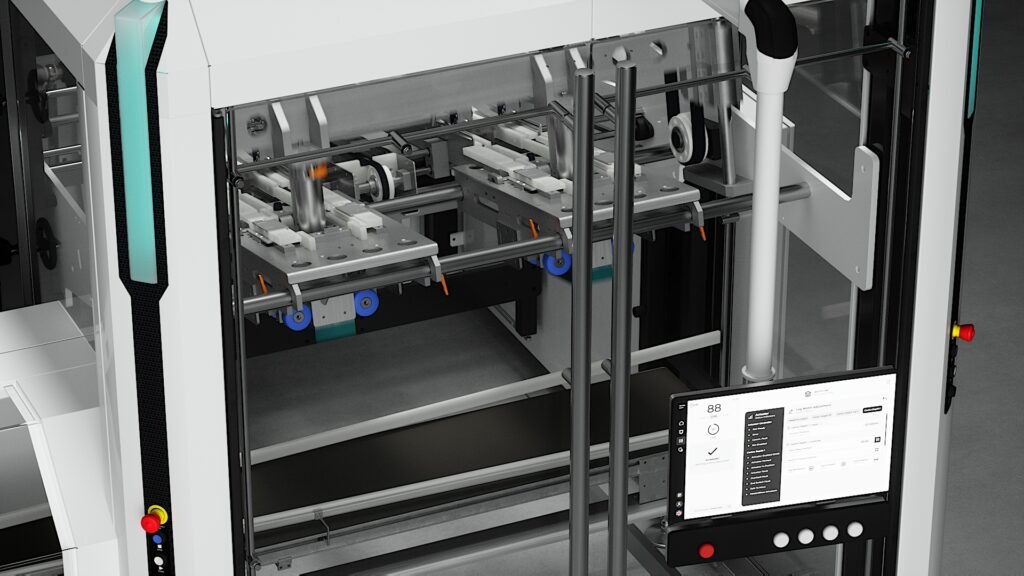
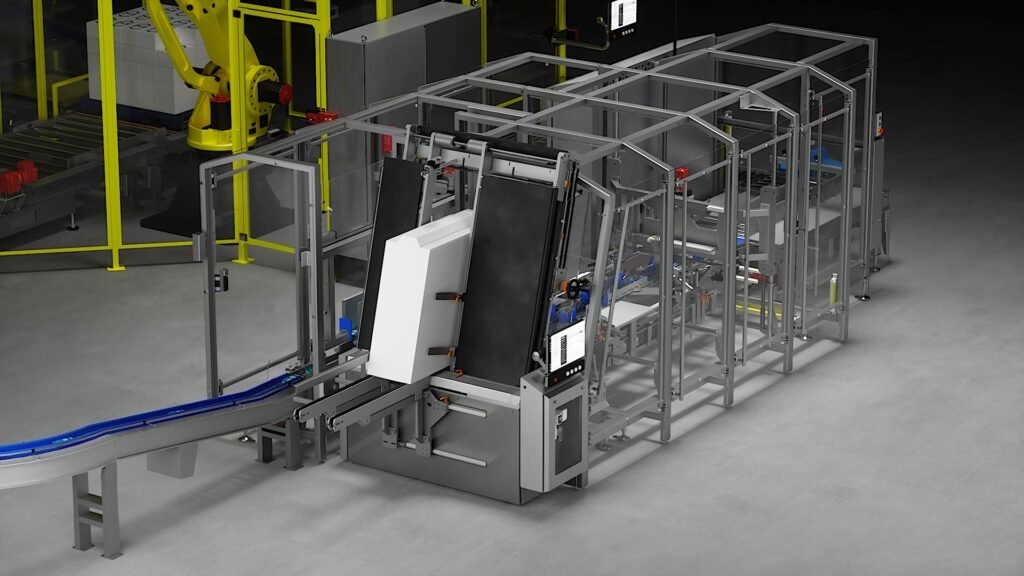
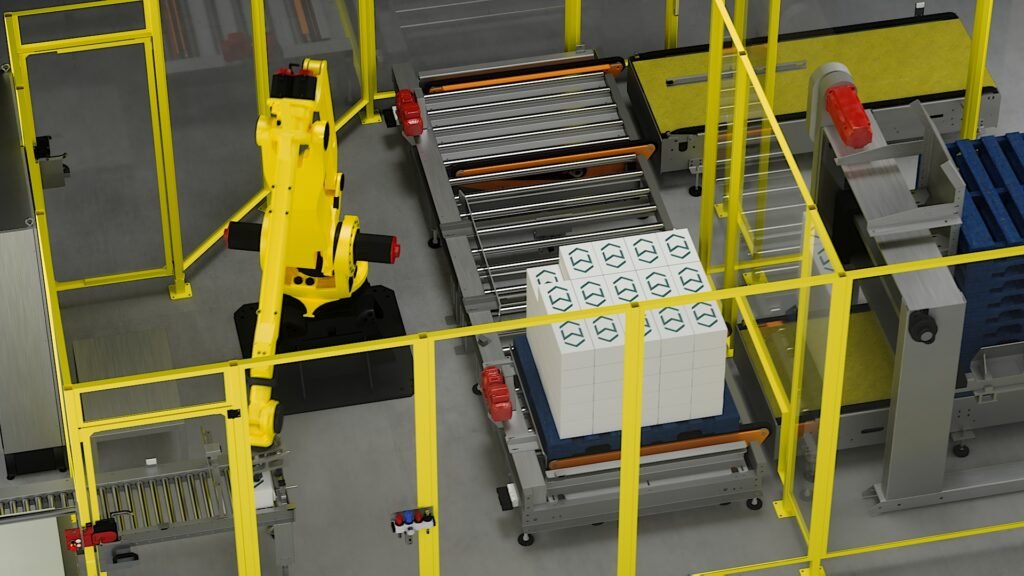
Animation transforms a static display into a complete demonstration. Instead of describing each process verbally, manufacturers can show products moving through the equipment, illustrate internal mechanisms, demonstrate robotic movements, and highlight optional machine configurations. Customers gain a much clearer understanding within seconds. For many visitors, seeing the process is far easier than imagining it.
Trade Show Visitors Have Limited Time
Every exhibitor is competing for attention. Visitors often spend only a few minutes at each booth before moving on. Sales teams must quickly explain what their equipment does, how it differs from competing solutions, and why it deserves further discussion. For complex machinery, that is not always easy.
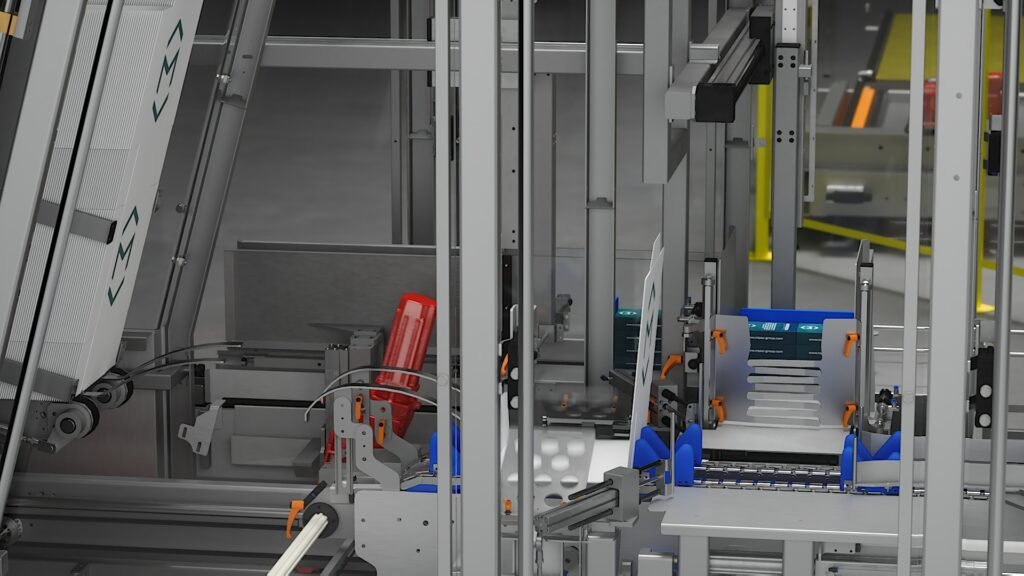
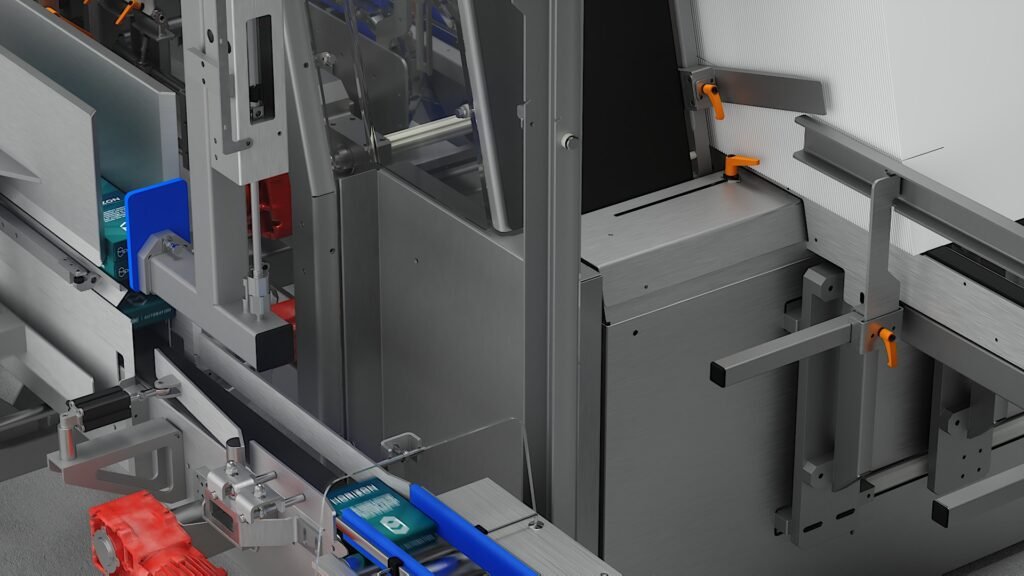
Packaging lines, robotic systems, conveyors, and automated production equipment contain processes that cannot be understood simply by looking at the exterior of the machine. Even when a complete system is displayed at the show, many important features remain hidden behind guarding or enclosed inside the equipment. Animation helps bridge that gap by showing customers exactly what they cannot see.
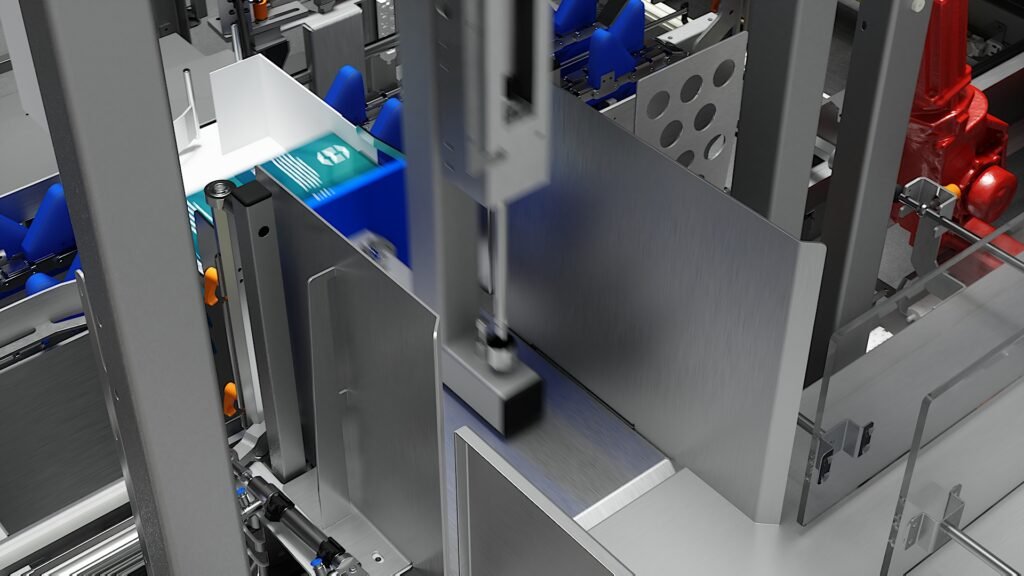
Machine Features That Animation Can Demonstrate
Product flow
Robotic motion
Internal mechanisms
Changeover procedures
Operator interaction
Safety procedures
Capture More Attention on the Show Floor
Trade shows are full of visual distractions. Large video walls, moving machinery, lighting displays, and demonstrations compete for every visitor’s attention. Booths that remain static can easily blend into the background.
High-quality 3D animation naturally attracts attention because movement catches the eye from across the aisle. Even visitors who are unfamiliar with the equipment are more likely to stop when they see products moving through a realistic animation. Once someone stops, the sales conversation becomes much easier to begin. Rather than opening with a lengthy technical explanation, representatives can simply build on what the visitor is already watching.
Explain Equipment That Cannot Be Brought to the Show
Many industrial systems are simply too large or expensive to transport. Complete production lines, automation cells, and integrated manufacturing systems may require multiple trailers or weeks of installation. Bringing them to every exhibition is often impossible.
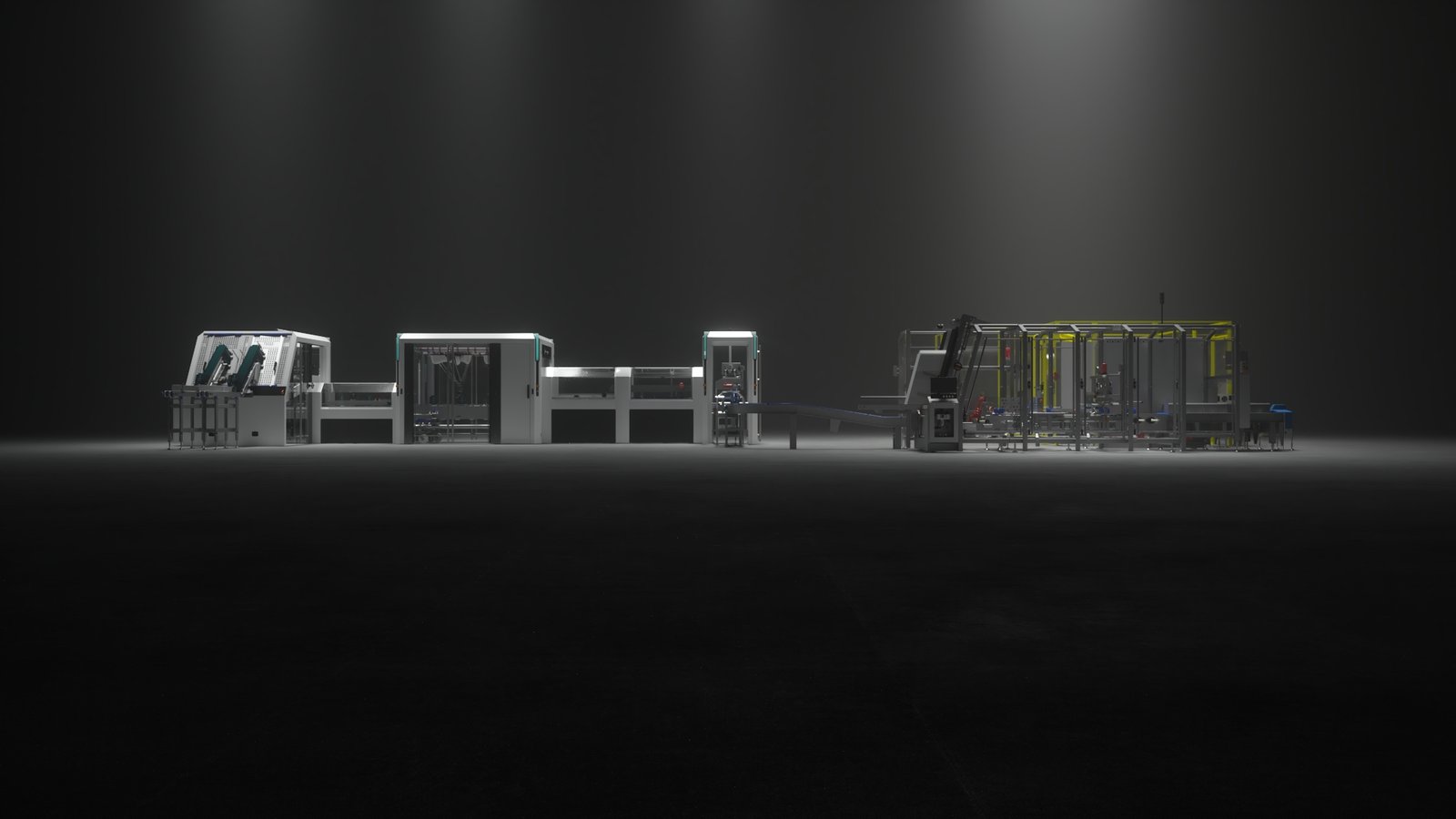
Animation removes that limitation. Manufacturers can demonstrate complete systems at full scale without transporting the equipment itself. Customers can see how multiple machines interact, how products move through the line, and how different stations work together, even if only a small portion of the equipment is physically present. This allows exhibitors to present their full capabilities rather than only the machines that fit inside the booth.
Support Better Sales Conversations
Animation does more than attract visitors. It helps sales teams communicate technical information more efficiently. Instead of sketching layouts or flipping through dozens of photographs, representatives can use animation to answer common questions visually. Product flow, optional configurations, maintenance access, and machine timing can all be demonstrated during the conversation. Customers often leave with a much clearer understanding of the equipment, making follow-up meetings more productive and reducing confusion after the show.

Continue Using the Content After the Event
One of the biggest advantages of professional animation is that its value extends well beyond the trade show itself. The same animation shown on a booth display can later appear on the company website, social media, sales presentations, customer proposals, email campaigns, and product launch announcements.
Instead of producing content for a single event, manufacturers create marketing assets that continue supporting sales throughout the year. This significantly improves the return on the original investment while keeping product messaging consistent across every marketing channel.
Supporting New Product Launches at Trade Shows
Trade shows are often scheduled long before new equipment has completed manufacturing. Rather than delaying product announcements, manufacturers increasingly use engineering CAD models to create animations before the first machine is assembled. This allows companies to generate excitement around new equipment, introduce upcoming products to customers, and begin collecting leads months before production is complete. For many manufacturers, this shortens the time between product development and revenue generation while allowing marketing and engineering to work in parallel.
Why Engineering CAD Models Make Better Trade Show Content
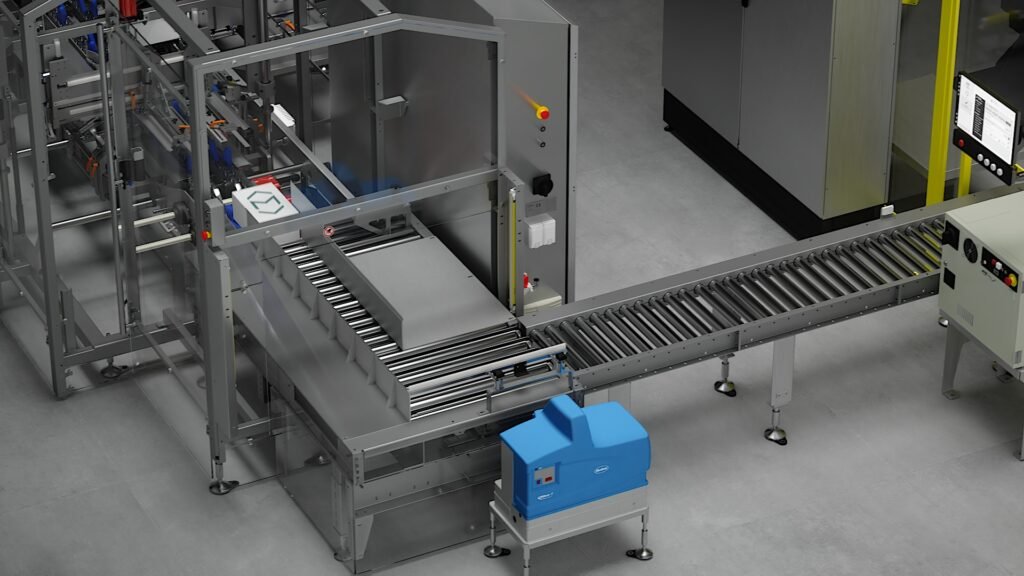
The engineering model already contains the information needed to create highly accurate visualizations. Instead of building demonstrations from scratch, professional visualization teams use existing CAD data to produce animations that accurately represent machine dimensions, product flow, mechanical movement, and configurable options. As engineering updates the design, the animation can evolve alongside the project, ensuring that marketing materials remain consistent with the final equipment. This creates a smoother workflow and reduces the need for repeated photography or expensive video production once manufacturing is complete.
Final Thoughts
Trade shows remain one of the best opportunities for industrial manufacturers to meet potential customers, but success depends on communicating complex equipment quickly and clearly. High-quality 3D animation helps manufacturers capture attention, explain machine operation, and support more productive conversations throughout the event. By using existing engineering CAD models, companies can begin creating those marketing assets long before the first machine reaches the show floor. Whether introducing a new product, displaying configurable equipment, or promoting a complete production line, animation gives sales teams a practical tool for turning technical machinery into a presentation that customers immediately understand.