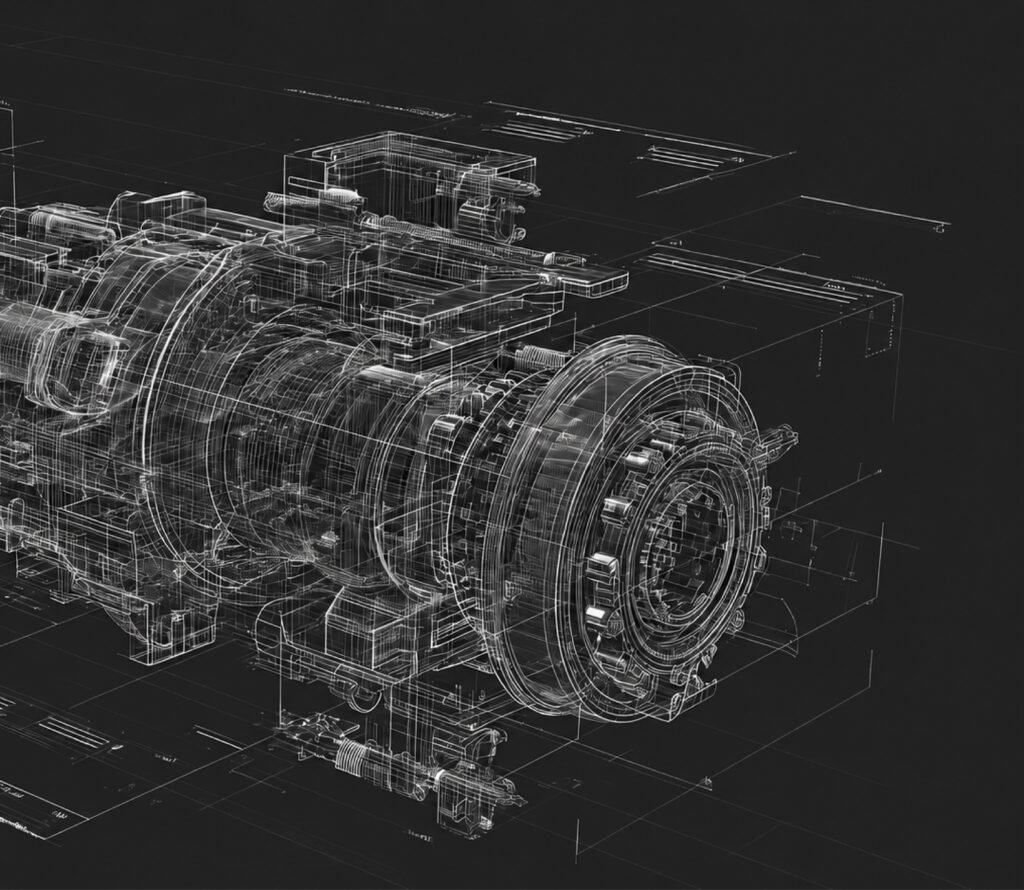
Insights > 3D Rendering
3D Rendering vs. Photography for Industrial Equipment
For manufacturers of industrial equipment, marketing often begins with one important question. Should you invest in professional photography, create 3D renderings, or use both? The answer depends on where your product is in its development, what you need to communicate, and how quickly your marketing materials are required. Photography remains the best option for showcasing finished equipment in real production environments, while 3D renderings provide flexibility long before a machine is built. Many manufacturers find the most effective marketing strategy is not choosing one over the other. Instead, they use each where it provides the greatest value.
This guide compares industrial equipment photography and 3D rendering, explains the strengths of each approach, and helps manufacturers decide which option best supports product launches, sales presentations, trade shows, and long-term marketing.
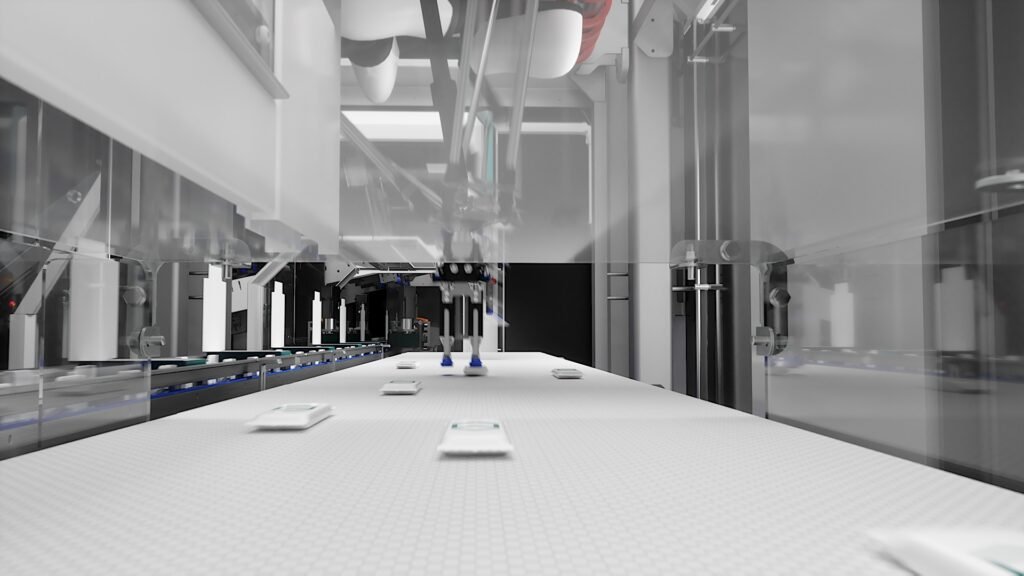
What Is Industrial Equipment Rendering?
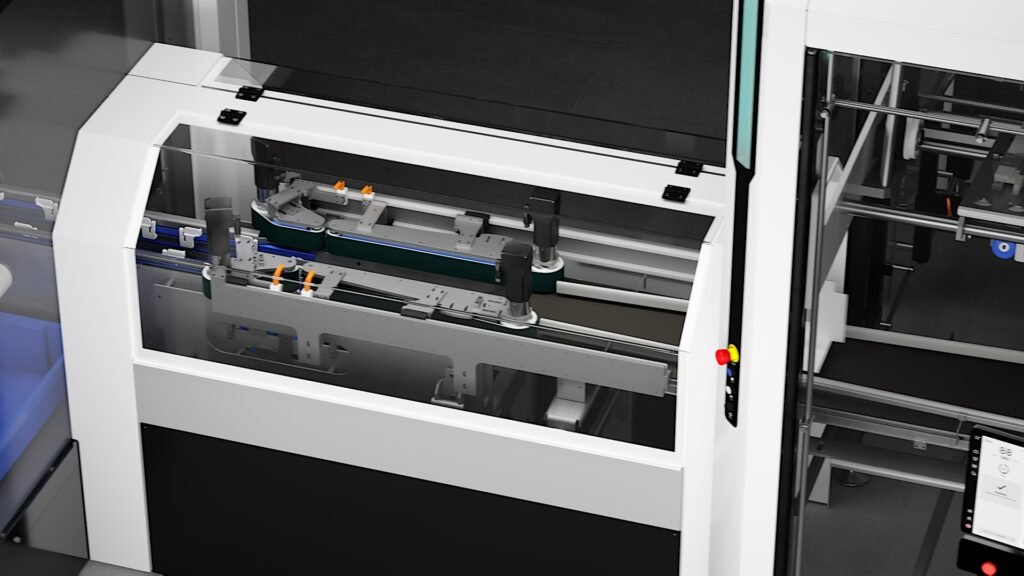
Industrial equipment rendering is the process of creating photorealistic images directly from engineering CAD models. Instead of photographing a physical machine, rendering software recreates realistic lighting, materials, textures, and environments to produce marketing-quality images before manufacturing is complete.
Unlike technical CAD screenshots, professional renderings are designed for sales and marketing. They accurately represent the finished equipment while allowing complete control over lighting, camera angles, backgrounds, branding, and optional machine configurations. Since the rendering is generated from engineering data, manufacturers can begin producing visual content months before a prototype exists.
When Photography Is the Better Choice
Photography remains the best solution when a finished machine already exists and the goal is to demonstrate real-world operation. Professional photography provides authenticity that customers appreciate. It captures actual materials, manufacturing quality, installation environments, operators, and production facilities in ways that create confidence with prospective buyers.
Photography is particularly valuable for:
Customer success stories
Installed production lines
Factory tours
Company culture
Team photography
Finished production equipment
For equipment that has already entered production, photography should remain an important part of every manufacturer’s marketing strategy.
When 3D Rendering Offers the Greatest Advantage
Many industrial manufacturers cannot wait until production begins before creating marketing materials. Trade shows may be scheduled months before manufacturing is complete. Sales teams often require brochures during engineering. Product pages need imagery before equipment is available for photography. This is where 3D rendering becomes especially valuable. Since renderings are created from CAD models, manufacturers can begin producing marketing assets immediately after engineering milestones are completed.
This allows companies to create:
- Website hero images
- Product brochures
- Sales presentations
- Datasheets
- Product launch graphics
- Trade show displays
- Social media content
- Advertising material
Instead of delaying marketing until the machine exists, companies can begin building awareness while engineering continues.
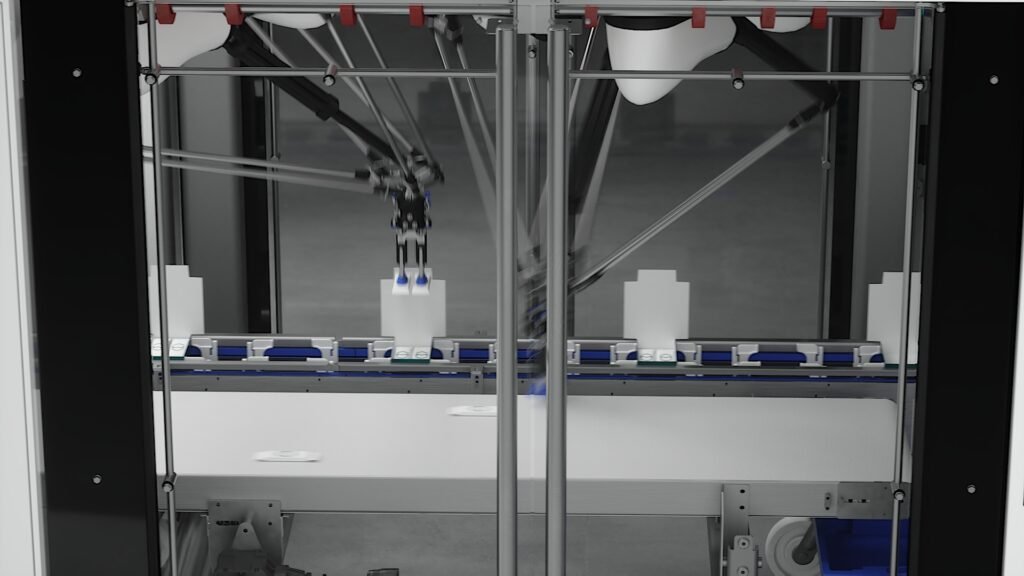
Benefits of 3D Rendering
Unlimited camera angles
Consistent branding
Transparent backgrounds
Exploded views
No photography logistics
Show multiple configurations
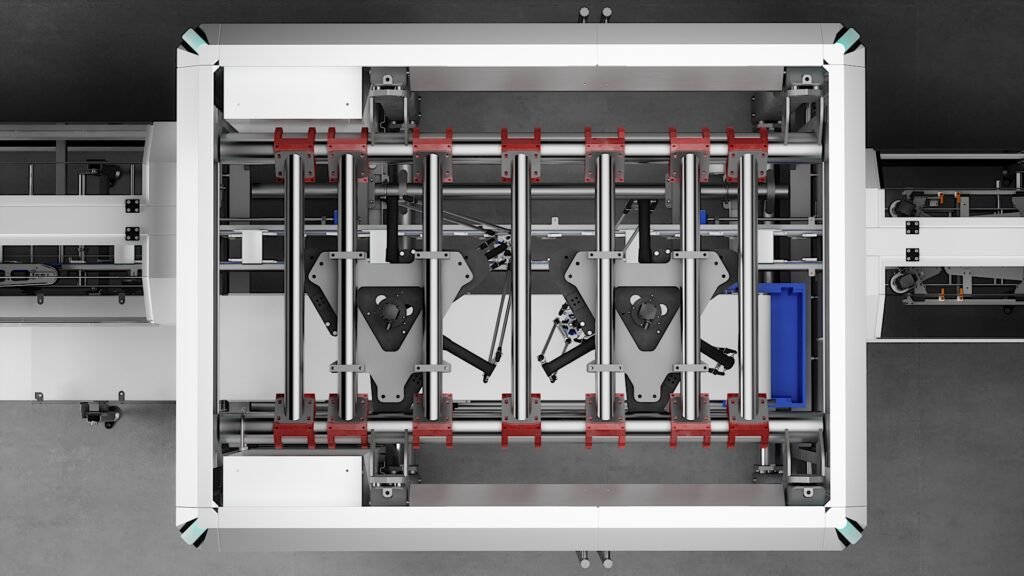
Comparing Cost and Project Timelines
Many manufacturers assume renderings are significantly more expensive than photography. In reality, the overall project cost often depends on the equipment itself.
Photography may require transporting large machinery, scheduling installers, cleaning equipment, hiring photographers, preparing facilities, and coordinating production downtime. Rendering projects eliminate many of these logistical costs because everything is created digitally. Renderings also provide an advantage when engineering changes occur. Updating a digital model is often considerably faster than organizing another professional photo shoot. For configurable machinery, the cost savings become even more significant because multiple machine variations can often be generated from a single CAD assembly.
Showing Equipment That Does Not Yet Exist
One of the biggest advantages of rendering is the ability to market products before they physically exist. This is particularly valuable for:
- New product launches
- Custom automation projects
- Proposal-stage equipment
- Investor presentations
- Customer approvals
- Concept validation
- Trade show announcements
Rather than relying on engineering drawings or placeholder graphics, manufacturers can present realistic visualizations that accurately represent the intended product. This often creates stronger customer engagement while helping internal stakeholders approve projects with greater confidence.
Why Many Manufacturers Use Both
The question is rarely whether rendering is better than photography. The most successful manufacturers use both throughout the product lifecycle. Renderings are often used during engineering, product development, and launch planning. Photography becomes increasingly valuable after machines are manufactured, installed, and operating in customer facilities. Together they create a complete marketing library that supports sales, engineering, customer service, recruiting, and future product launches. Using both approaches allows companies to communicate consistently from concept through production.
Final Thoughts
Choosing between 3D rendering and photography is not about replacing one with the other. It is about selecting the right tool for the right stage of your product’s lifecycle. If your equipment already exists and you want to showcase real installations, professional photography is often the strongest option. If your machine is still being engineered, configurable, or unavailable for filming, 3D rendering allows marketing to move forward without waiting for manufacturing to finish. Many of the most successful industrial manufacturers combine both approaches. They use renderings to accelerate product launches and support early sales efforts, then introduce professional photography as equipment enters production and is installed in customer facilities.
For manufacturers looking to launch products faster, reduce marketing delays, and communicate complex equipment more effectively, combining engineering CAD data with professional visualization creates a marketing library that continues delivering value long after the first machine is built.