Insights > Product Launch
How To Launch New Machinery Before It’s Built
Launching a new piece of industrial equipment has traditionally followed a familiar timeline. Engineering is completed, manufacturing begins, the first machine is assembled, photographs and videos are captured, and only then does the marketing team have the assets needed to promote the product. For many manufacturers, that process creates an unnecessary delay. Months can pass between completing the design and having marketing material available, slowing product launches, reducing trade show impact, and leaving sales teams without effective tools during the most important stages of the buying process.
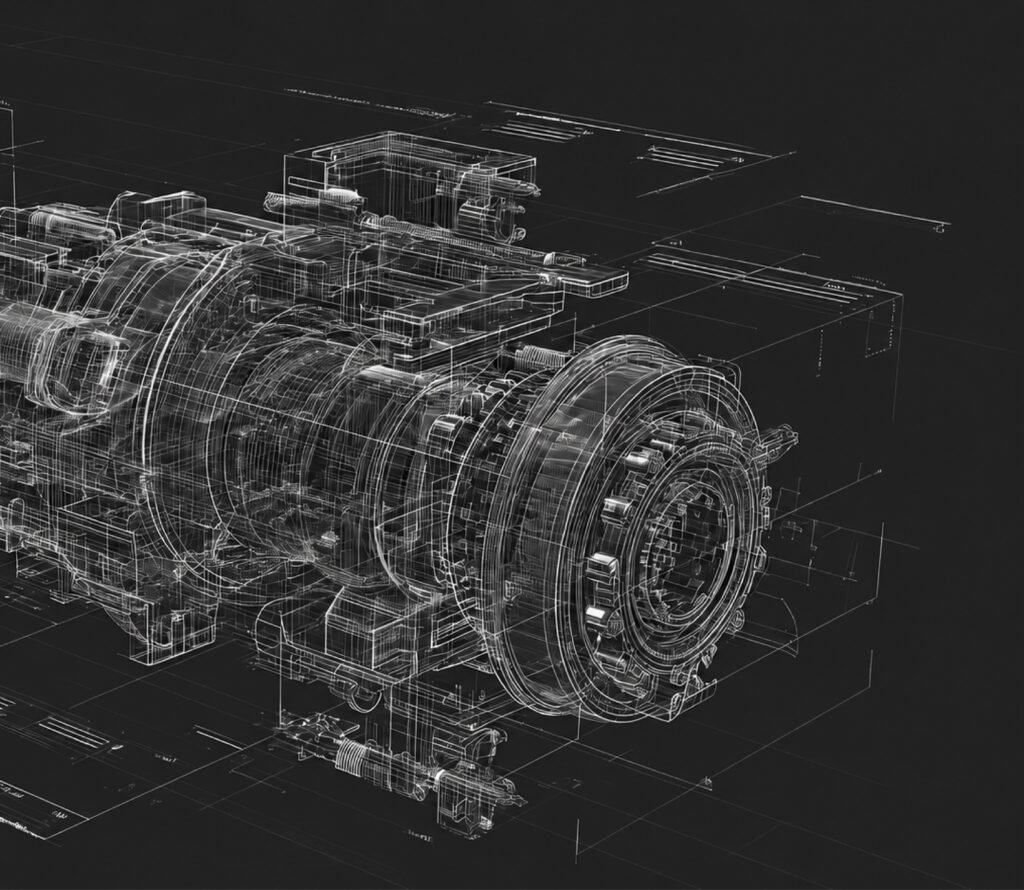
Today, many industrial equipment manufacturers are taking a different approach. By using existing engineering CAD models, companies can begin creating high-quality 3D renderings, animations, and marketing content long before the first machine is built. This approach allows marketing, sales, and engineering teams to work in parallel instead of waiting on one another. It also creates opportunities to build market awareness, validate concepts, and generate customer interest significantly earlier in the product development cycle.
Why Traditional Product Launches Create Delays
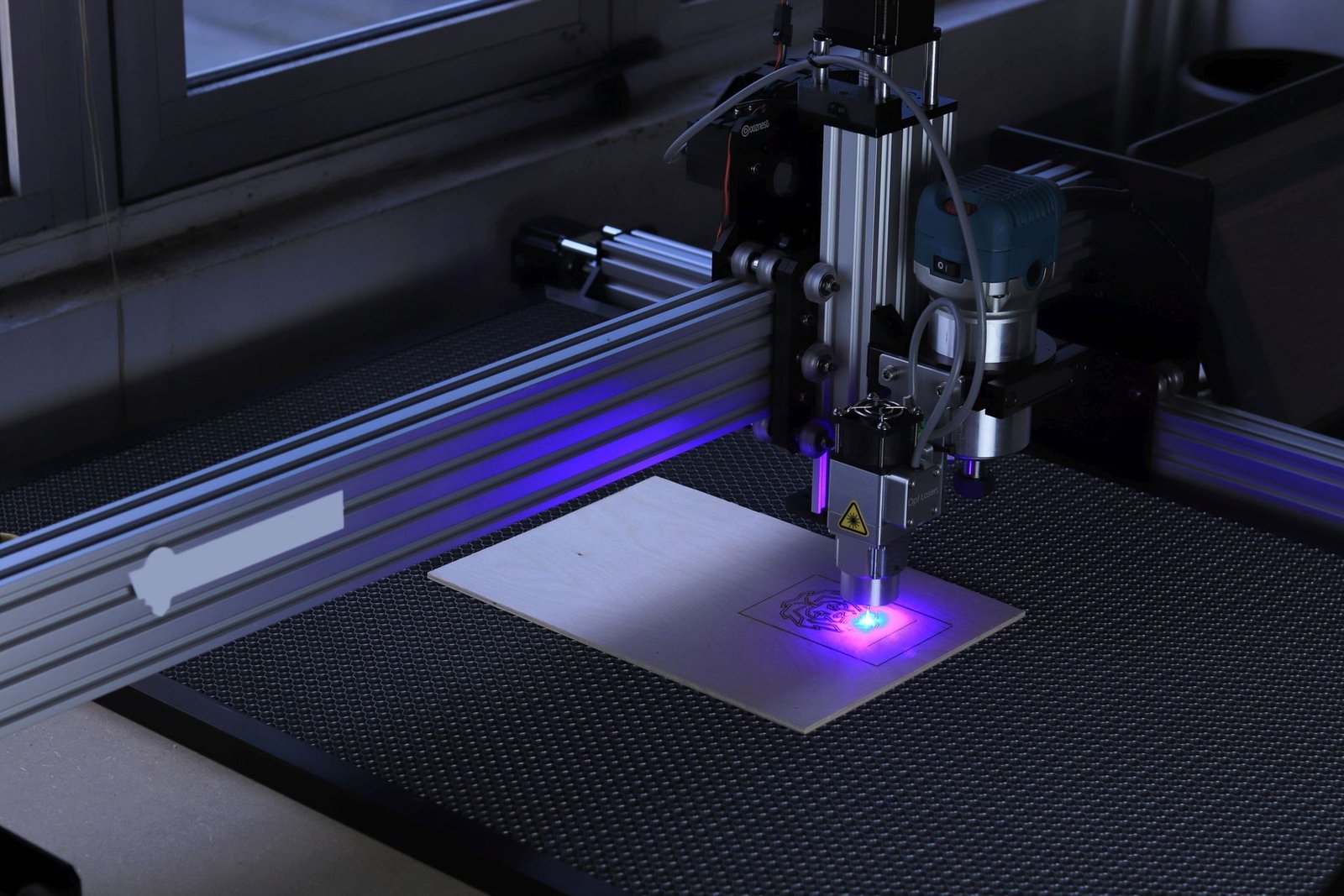
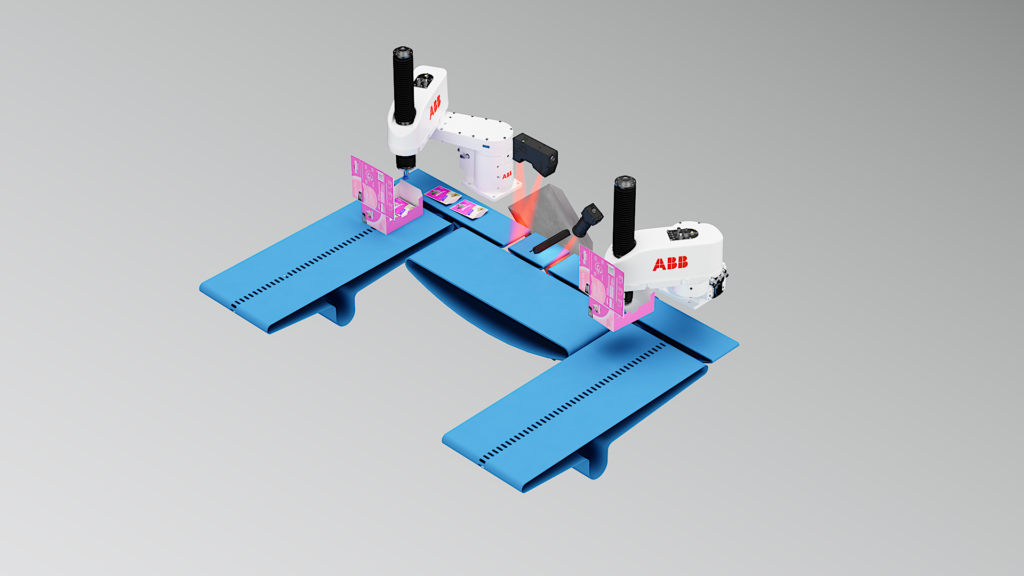
Industrial machinery is rarely a product that can be photographed a few weeks before launch. Packaging equipment, automation systems, conveyors, robotic cells, and material handling equipment often require months of manufacturing, assembly, testing, and commissioning before they are ready for photography or video production. During that period, marketing teams often have very little to work with. Product pages remain unfinished, brochures are delayed, and trade show planning becomes difficult because there are few professional visuals available.
Sales teams face similar challenges. Customers frequently ask how a new machine operates, how products flow through the system, or what optional configurations are available. Without visual content, those conversations rely heavily on engineering drawings, static CAD screenshots, or lengthy technical explanations. While these materials are useful for engineers, they rarely communicate the complete picture to purchasing teams, management, or first-time buyers.
Your CAD Models Already Contain Valuable Marketing Assets
One of the biggest misconceptions is that marketing content cannot begin until manufacturing starts. In reality, the engineering CAD model already contains most of the information required to create professional marketing assets. This information can be transformed into accurate visual content without requiring a physical prototype. Rather than waiting months for photography, manufacturers can begin producing marketing assets immediately after major design milestones are complete.
Modern CAD assemblies define:
Machine dimensions
Component locations
Product flow
Mechanical movements
Overall machine layout
Safety guarding
Configurable options
Generate Marketing Momentum Earlier
Launching a product successfully often depends on building anticipation before the official release. Customers attending trade shows, distributors preparing sales presentations, and existing clients evaluating future capital investments all benefit from seeing equipment before production begins.
Creating visual content early allows companies to:
- Announce new products sooner
- Build excitement before launch
- Support trade show promotions
- Create website content in advance
- Prepare sales presentations
- Produce brochures before manufacturing finishes
By the time the first machine is assembled, much of the marketing campaign is already complete.

Explain Complex Machinery More Clearly
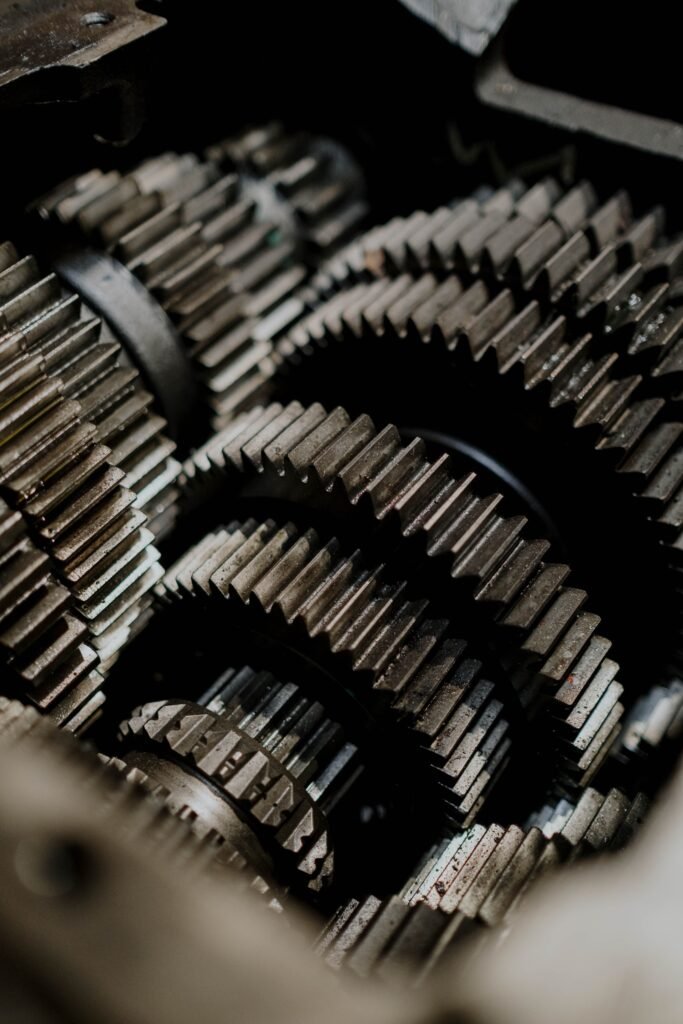
Industrial equipment is often difficult to understand through static images alone.
A photograph can show what a machine looks like, but it cannot easily demonstrate how products move through the system, how tooling changes occur, or how different stations interact. This is where 3D animation provides significant value.
Animation allows manufacturers to demonstrate:
- Product flow throughout the machine
- Internal mechanisms hidden behind guarding
- Robotic motion
- Machine timing
- Changeover procedures
- Cleaning and maintenance processes
- Configurable machine options
Instead of asking customers to imagine how the equipment operates, manufacturers can show the process visually. This often reduces confusion during sales conversations and helps buyers understand the value of the equipment much faster.
Launch Products Before Manufacturing Is Complete
Many manufacturers attend major trade shows with equipment that has only recently entered production. Sometimes the machine is not finished in time. In other cases, shipping a large production system simply is not practical.
Rather than leaving an empty booth or relying on engineering drawings, companies can use 3D animation to showcase the machine in operation. Animations can demonstrate realistic product flow, machine sequencing, operator interaction, and optional configurations in ways that would be impossible with static displays. Visitors leave with a much clearer understanding of the equipment, even if the physical machine is not yet available.
Support Sales Before Engineering Is Finished
Launching early is not only useful for finished products.
Many manufacturers use visualization during the proposal stage to help secure funding, validate concepts, or win competitive projects before significant engineering resources are committed.
For custom automation projects, customers often need confidence that a proposed solution will meet production requirements. A realistic animation can demonstrate:
- Overall system layout
- Material flow
- Robotic interaction
- Inspection sequences
- Packaging operations
- Operator access
- Integration with existing equipment
Helping customers visualize the proposed solution often leads to faster decision making and stronger confidence in the project.
Reduce Marketing Bottlenecks
Marketing teams frequently depend on engineering, manufacturing, photography, and production schedules before they can begin creating promotional content.
By using engineering CAD models, many of these bottlenecks disappear. Multiple marketing assets can be developed simultaneously, including:
- Product launch videos
- Website imagery
- Brochures
- Trade show displays
- Social media content
- Sales presentations
- Technical illustrations
Instead of waiting until the machine is complete, marketing becomes part of the product development process from the beginning.
Real-World Applications
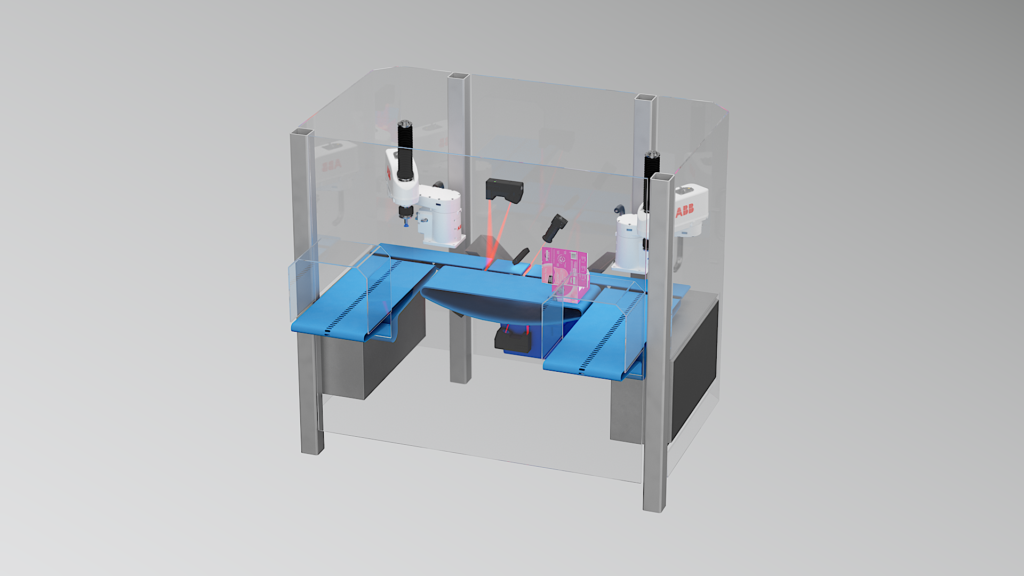
This approach is now being used across many areas of industrial manufacturing. Packaging machinery manufacturers use animation to launch new machine platforms before production begins. Conveyor manufacturers demonstrate multiple configurations without needing to build every variation. Automation companies visualize custom production lines to support customer proposals. OEMs entering new industries adapt existing machine platforms into new applications and create marketing material before engineering is finalized.
In each case, visualization shortens the gap between engineering and sales.
Final Thoughts
Launching industrial equipment no longer needs to wait for manufacturing to finish. Engineering CAD models already contain the information needed to create compelling visual content that supports marketing, sales, and product development. By transforming those models into professional renderings and animations, manufacturers can begin generating interest months earlier, communicate complex machinery more effectively, and give sales teams the tools they need before the first machine leaves the shop floor.
For companies introducing new equipment, entering new markets, or supporting custom automation proposals, creating marketing content before manufacturing is complete can significantly improve launch timelines while reducing delays between engineering and sales.