Insights > 3D Animation
Why 3D Animation Is Effective for Industrial Equipment Marketing
Industrial machinery is built to move. Products travel through conveyors, robotic cells coordinate complex sequences, and automated equipment performs hundreds of operations every minute. Yet many manufacturers still rely on static photographs and specification sheets to explain these systems. While those materials remain important, they often leave customers trying to imagine how a machine actually works.
Buyers may understand what the equipment looks like, but they are still left wondering how products move through the system, what happens behind the guarding, or how different stations interact during production. This is why 3D animation has become such a valuable marketing tool for industrial equipment manufacturers. By transforming engineering CAD models into realistic animated demonstrations, companies can explain complex machinery in a way that is immediately understandable. The result is clearer communication, more productive sales conversations, and marketing content that can be created long before the first machine is assembled.
Why Static Images Cannot Tell the Whole Story
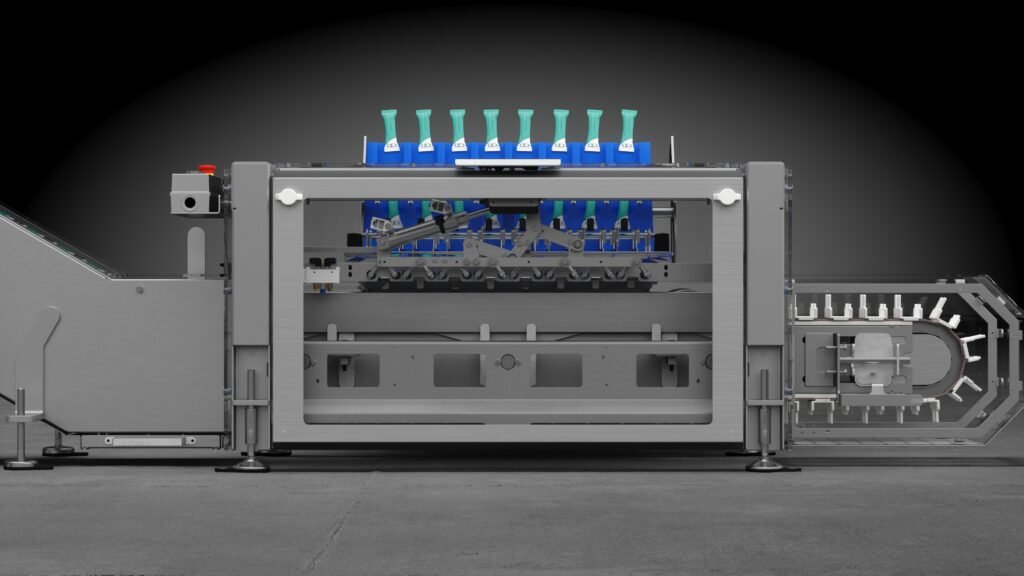
Photography remains one of the most effective ways to showcase finished equipment. High-quality images build confidence, demonstrate manufacturing quality, and show machines operating in real production environments. The challenge is that a single image only captures one moment.
Industrial machinery is designed around movement. Packaging systems transfer products between stations, conveyors change direction, robots perform synchronized operations, and inspection systems evaluate products in milliseconds. Those processes are difficult to communicate with a photograph alone.
Customers often leave meetings with practical questions about how a system operates rather than how it looks. Sales teams then spend valuable time explaining product flow, machine sequencing, or internal mechanisms that could be understood almost instantly through animation.
Turning Engineering Data Into Marketing Content
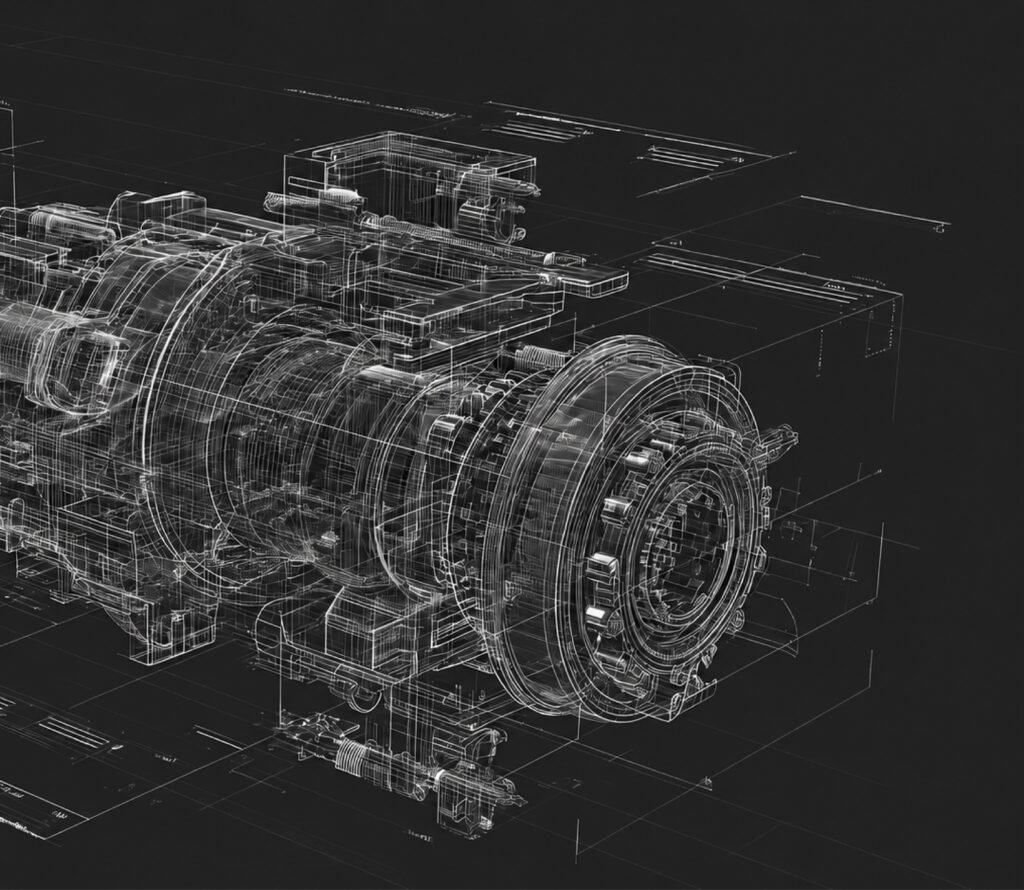
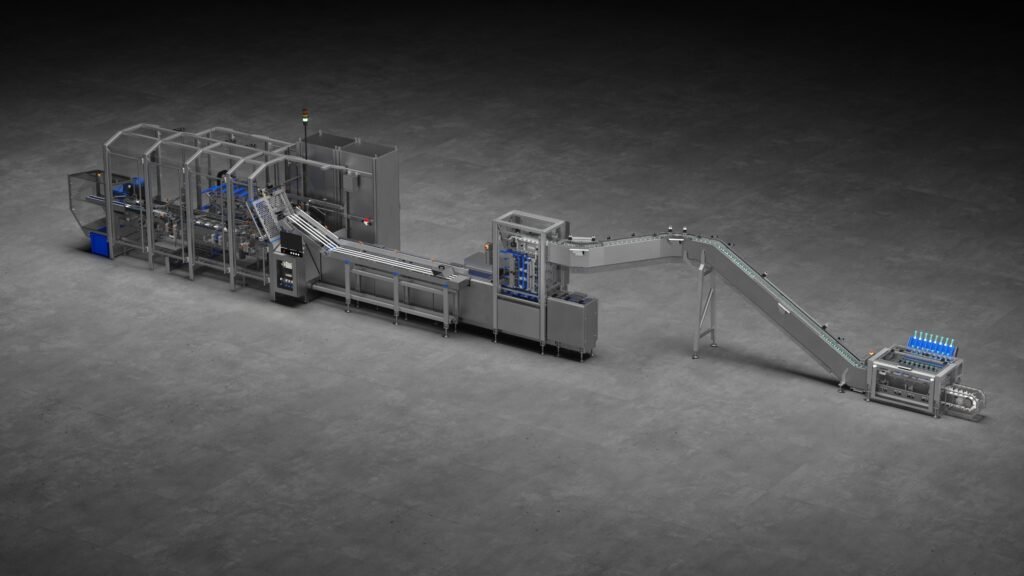
One of the biggest advantages of industrial 3D animation is that it begins with engineering CAD models rather than a completed machine. Modern CAD assemblies already contain much of the information required to produce accurate visualizations. Component locations, machine dimensions, product paths, and mechanical movement are already defined during the engineering process. That allows marketing teams to begin developing visual content while manufacturing is still underway instead of waiting for photography after assembly. The animation becomes more than a demonstration of the finished product. It also becomes a bridge between engineering and marketing, allowing both departments to work in parallel rather than one after the other.
What Can 3D Animation Show?
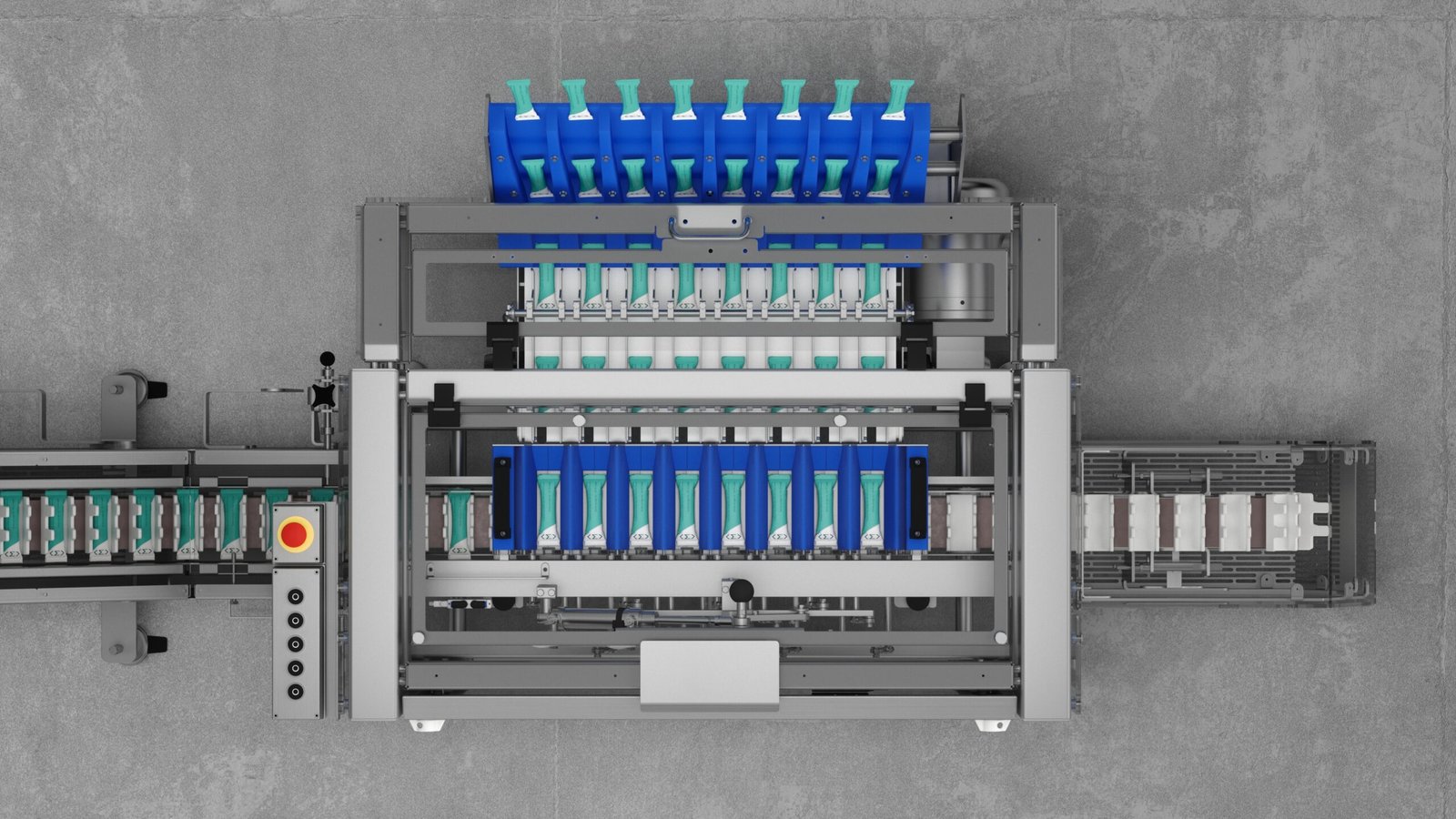
One of the greatest strengths of 3D animation is its ability to simplify complex engineering. Rather than presenting customers with technical drawings or lengthy explanations, animation shows each stage of the process exactly as it occurs. Manufacturers can visualize:
Product flow
Robotic motion
Changeover procedures
Material handling
Internal mechanisms
Operator interaction
Customers gain a much clearer understanding of how the equipment functions, allowing sales teams to spend less time explaining basic operation and more time discussing production goals and system capabilities.
Helping Customers Understand Complex Machinery
Industrial equipment is often purchased by groups rather than individuals. Engineers evaluate technical performance, production managers consider operational requirements, and purchasing teams focus on investment value. Each stakeholder approaches the equipment from a different perspective.
Animation creates a common point of reference for everyone involved in the decision. Instead of interpreting engineering drawings or reading lengthy technical descriptions, customers can watch the equipment perform the process exactly as intended. This improves understanding while reducing many of the questions that naturally arise during early sales conversations.
Rather than spending time explaining how products move through the machine, sales teams can focus on discussing production goals, throughput, integration, and return on investment.
Marketing Can Begin Before Manufacturing Is Complete
Launching a new machine has traditionally required manufacturers to wait until a production-ready system is available for photography. That approach often delays website updates, brochures, trade show materials, and product announcements until late in the development process.
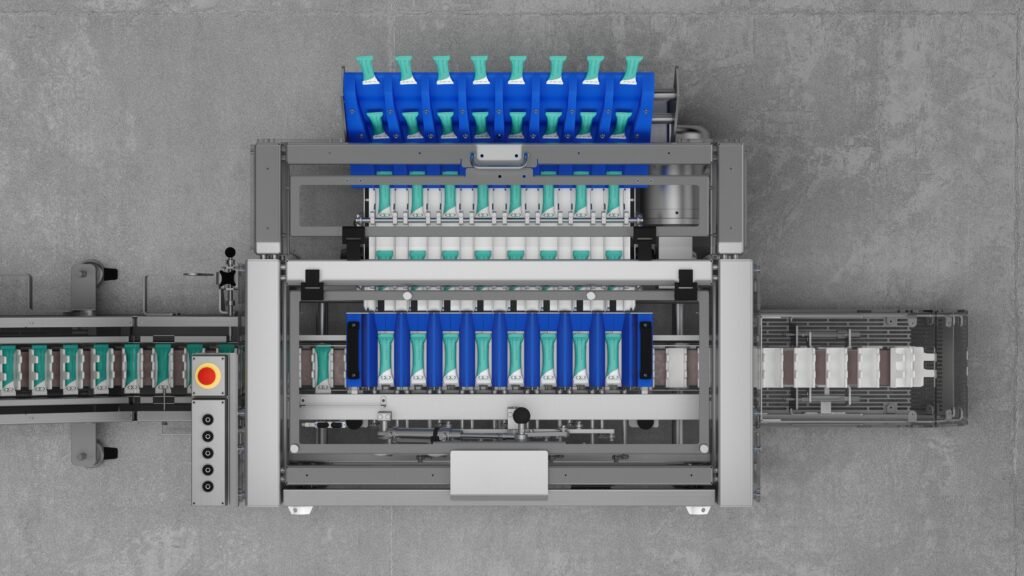
3D animation removes much of that delay. Since the visual content is created directly from CAD models, manufacturers can begin introducing new equipment while engineering and manufacturing continue in the background. Marketing campaigns, distributor presentations, website content, and customer demonstrations can all be prepared well before the first machine leaves the shop floor. This allows companies to build interest earlier and arrive at product launches with a complete library of professional marketing assets already in place.
Revealing What Customers Cannot Normally See
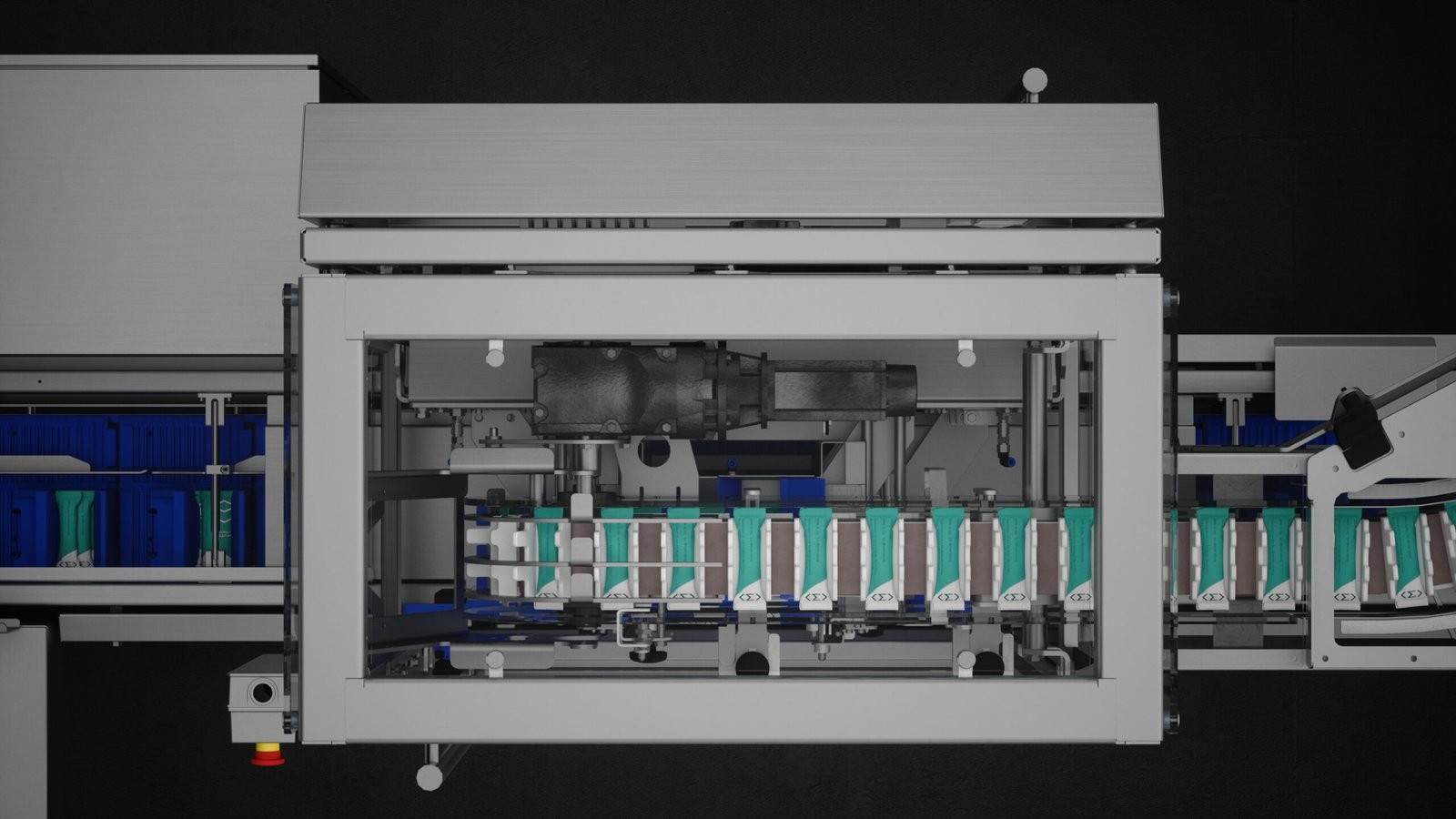
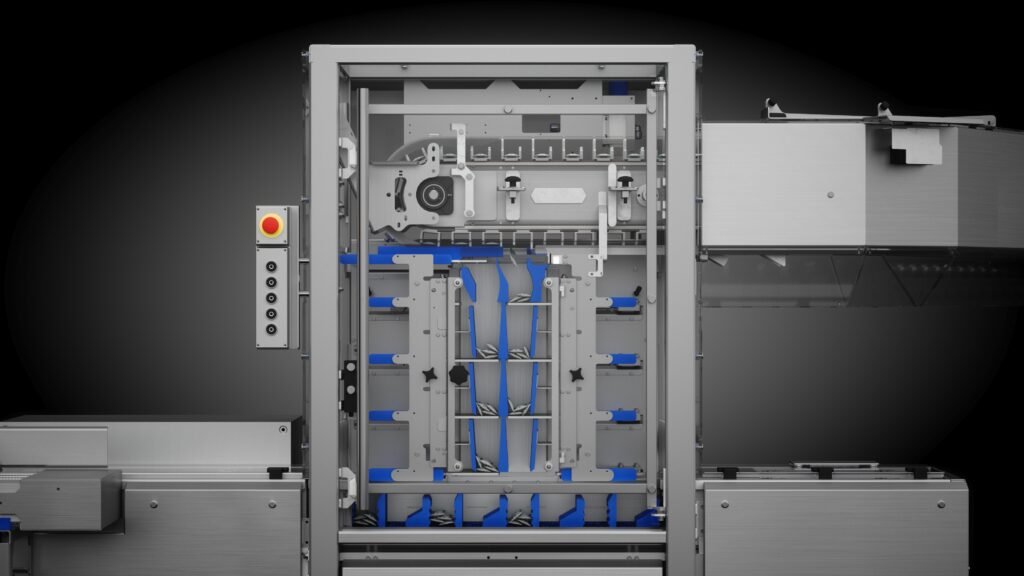
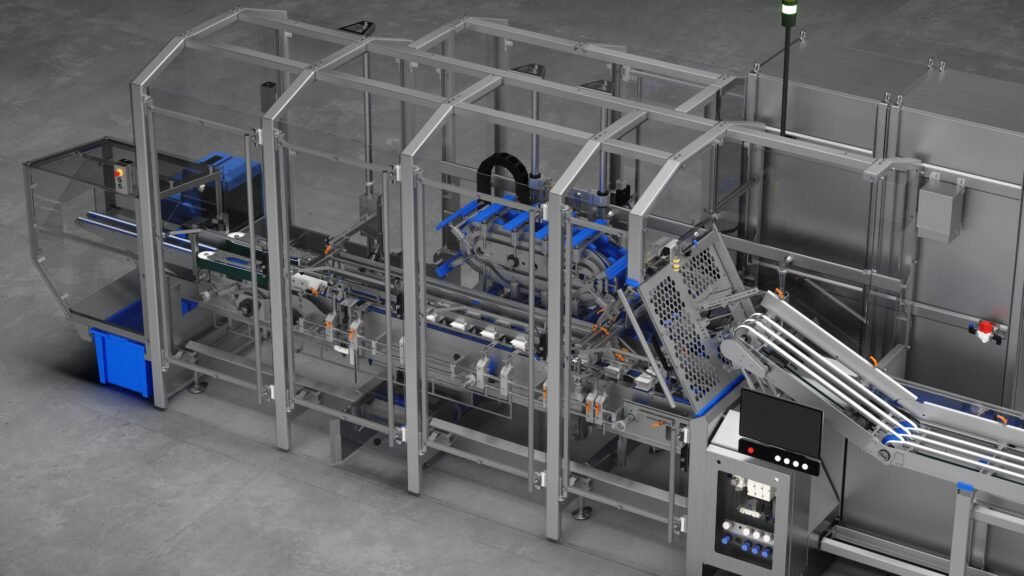
Many of the most important parts of an industrial machine are hidden during normal operation. Conveyors run inside guarding, inspection systems operate within enclosed stations, and mechanical components work beneath covers that customers never see. Animation makes these hidden processes visible without compromising technical accuracy.
Manufacturers can reveal internal product flow, demonstrate how robotic systems interact with surrounding equipment, and illustrate processes that would otherwise require extensive explanation. This gives prospective customers a much clearer understanding of how the equipment creates value and often increases confidence during the buying process.
A Long-Term Marketing Asset
A professionally produced animation is rarely used only once. Although many projects begin with a product launch or trade show, the finished content often supports marketing for years afterwards. Animations can be repurposed into shorter videos for social media, still images for brochures, graphics for presentations, website banners, sales proposals, and customer training materials.
A single visualization project frequently generates dozens of individual marketing assets, allowing manufacturers to maintain consistent branding across multiple channels without continually creating new content from scratch. For companies that regularly introduce new equipment or configurable machinery, that long-term flexibility often makes animation one of the most valuable investments in their marketing strategy.

Final Thoughts
Industrial equipment is designed to perform complex processes that are difficult to communicate with static imagery alone. As machinery becomes more sophisticated, the challenge of explaining its operation becomes equally complex. Professional 3D animation helps bridge that gap by transforming engineering CAD models into clear visual demonstrations that customers immediately understand.
Manufacturers can launch products earlier, support their sales teams with more effective marketing content, and explain equipment in a way that technical drawings and photographs often cannot achieve on their own. For companies introducing new machinery, expanding into new markets, or looking to improve how they communicate complex equipment, 3D animation has become an increasingly valuable part of modern industrial marketing. It allows engineering, sales, and marketing to work together more effectively while giving customers the clarity they need to make informed purchasing decisions.